The 2026 Top Corrugated Laminating Machine Suppliers are being judged by more than machine speed. Buyers now examine bonding consistency, sheet handling, automation, energy use, service response, and the supplier’s ability to support changing packaging formats. A machine may run quickly in a showroom. The real test appears during an eight-hour shift, when adhesive viscosity changes, flute profiles vary, and operators adjust pressure by hand.
Jean-Pascal Bobst, a recognized packaging-equipment leader, has said, “The future of packaging is connected, sustainable, and productive.” This principle is highly relevant to every Corrugated Laminating Machine purchase. Modern equipment should connect with production data, reduce material waste, and maintain stable output without creating unnecessary complexity. Practical experience matters here. A supplier with strong installation teams and accessible spare parts can prevent a small roller problem from becoming a costly production delay.
This guide reviews leading suppliers through a balanced, evidence-based perspective. It considers technical specifications, application range, operator safety, after-sales support, customer experience, and long-term operating value. Some manufacturers offer impressive automation but limited regional service. Others provide dependable mechanical performance, yet their interfaces feel dated. That difference matters.
No ranking is perfect. Factory conditions vary. A machine that performs well for coated board may struggle with recycled liners or high-speed film lamination. Therefore, buyers should test representative materials before making a final decision. The best supplier is not always the largest name. It is the partner that understands your board grades, production targets, maintenance habits, and unavoidable weaknesses.
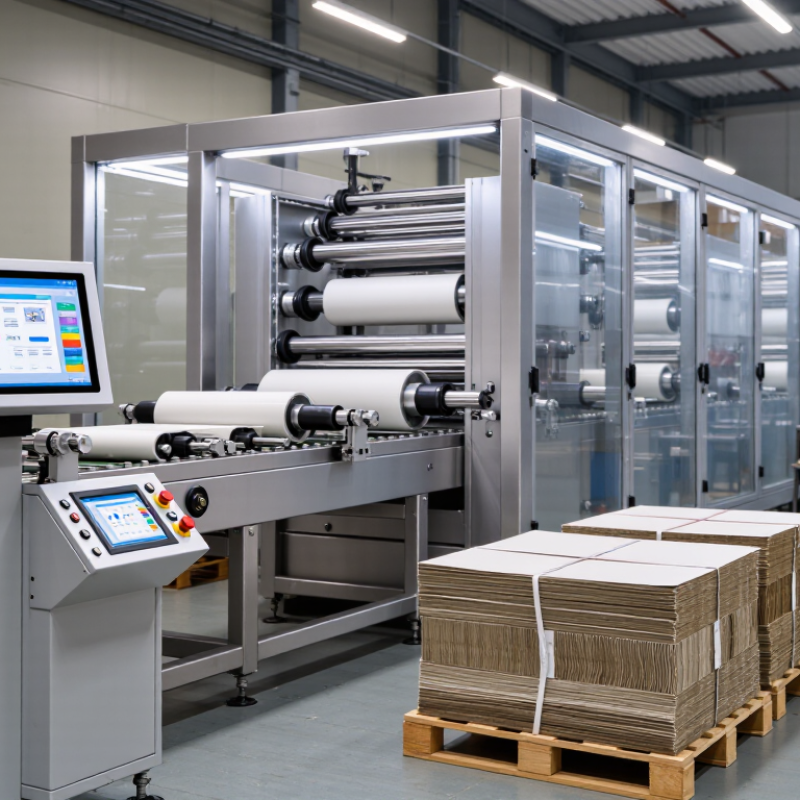
A corrugated laminating machine bonds a printed liner to a corrugated board surface. It uses adhesive, pressure, and controlled feeding systems. The liner may carry product images, instructions, or protective coatings. The finished board looks sharper and feels more rigid. It is commonly used for cartons, displays, and retail packaging.
The machine usually includes a sheet feeder, glue application unit, alignment section, pressing rollers, and delivery stacker. Some models handle thin paper liners, while others process heavier sheets. Operators must match board flute, liner size, adhesive type, and production speed. Small alignment errors can create wrinkles or exposed edges. That detail matters more than impressive speed ratings. In daily production, stable feeding often beats maximum output.
Tips: Check bonding strength after curing. Inspect corners, not only the center. Keep rollers clean and pressure settings consistent. Ask suppliers for sample testing with your actual board and liner. A machine can perform well in a demonstration, yet behave differently in a busy factory. Humidity, paper dust, and operator habits can change results. I have found that simple maintenance records reveal problems earlier. Still, no checklist removes every risk. Trial runs remain necessary before serious investment.
A corrugated laminating machine bonds a printed paper sheet, coated paper, or paperboard liner to corrugated board to improve appearance, stiffness, print quality, and packaging performance.
| Machine Category | Primary Application | Compatible Materials | Typical Working Speed | Common Board Range | Adhesive System | Automation Features | Key Selection Considerations |
|---|---|---|---|---|---|---|---|
| Automatic Sheet-to-Sheet Laminator | Mounting printed sheets onto pre-cut corrugated sheets for cartons, displays, and retail packaging. | Printed paper, coated paper, kraft liner, single-wall and selected double-wall corrugated board. | Approximately 3,000–10,000 sheets/hour | Commonly about 250–1,800 g/m² total board weight, depending on machine design. | Water-based cold glue is widely used; hot-melt systems are available for selected applications. | Automatic feeding, sheet alignment, pressure section, counting, and stack delivery. | Check register accuracy, minimum sheet size, maximum board thickness, and changeover time. |
| High-Speed Flute Laminating Line | Continuous production of laminated corrugated sheets for high-volume packaging operations. | Pre-printed paper or liner laminated to single-wall or double-wall corrugated board. | Approximately 6,000–12,000 sheets/hour | Usually designed for standard commercial corrugated grades, including E-, B-, and C-flute structures. | Metered water-based adhesive application with controlled glue quantity. | Servo-driven registration, automatic board feeding, glue control, and inline monitoring. | Evaluate production stability, waste rate, synchronization, and compatibility with existing converting equipment. |
| Corrugated-to-Paperboard Laminator | Combining corrugated board with thicker paperboard for premium boxes, promotional packaging, and rigid-style structures. | Corrugated board, solid bleached board, folding boxboard, coated board, and specialty printed sheets. | Approximately 2,000–7,000 sheets/hour | Suitable for medium-to-heavy substrates; actual limits depend on flute profile and pressure design. | Cold glue, dextrin adhesive, or other water-based adhesive formulations. | Automatic feeding, side-lay registration, pressure adjustment, and delivery stacking. | Confirm glue compatibility, drying requirements, board flatness, and pressure-roll adjustment range. |
| Manual or Semi-Automatic Laminator | Short runs, sampling, customized packaging, and operations with frequent material changes. | Paper, printed sheets, corrugated sheets, cardboard, and selected lightweight boards. | Approximately 500–3,000 sheets/hour | Typically handles lightweight to medium-weight corrugated board. | Manual or semi-automatic water-based adhesive application. | Assisted feeding, manual alignment, adjustable pressure, and basic counting. | Useful where investment, floor space, and flexibility are more important than maximum output. |
| Double-Piece Laminating System | Laminating two separate sheets or combining a printed face sheet with a corrugated base in one workflow. | Printed face paper, linerboard, single-wall board, and selected double-wall board. | Approximately 2,000–6,000 sheets/hour | Commonly used for medium-thickness corrugated packaging and display panels. | Roller-coated water-based adhesive with adjustable application volume. | Dual feeding, automatic alignment, pressure control, and sheet counting. | Review alignment tolerance, sheet separation performance, and the ability to process warped boards. |
| Wide-Format Display Laminator | Large cartons, floor displays, pallet displays, signage, and oversized promotional packaging. | Large-format printed paper, corrugated board, honeycomb board, and display-grade substrates. | Approximately 1,000–4,000 sheets/hour | Designed for wide sheets; maximum dimensions vary significantly by equipment configuration. | Water-based cold glue or specialty adhesive systems selected for large-area bonding. | Wide-format feeding, multiple alignment points, pressure adjustment, and large-stack delivery. | Prioritize maximum sheet size, frame rigidity, handling ergonomics, and floor-space requirements. |
| High-Precision Register Laminator | Premium packaging requiring accurate alignment between printed graphics, die-cut features, and board edges. | Offset-printed paper, digitally printed sheets, coated liners, and corrugated board. | Approximately 2,000–8,000 sheets/hour | Suitable for common single-wall and selected double-wall boards within specified thickness limits. | Precisely metered cold glue, with adhesive control linked to production speed. | Servo registration, optical or sensor-based detection, touchscreen controls, and fault alerts. | Ask for verified register tolerance, sensor capability, setup repeatability, and operator training requirements. |
It bonds a printed liner or protective sheet to corrugated board. The finished surface looks sharper and feels more rigid.
Common sections include a sheet feeder, glue unit, alignment system, pressure rollers, and delivery stacker. Each section affects final quality.
The feeder separates sheets and controls entry speed. The glue unit applies adhesive across the bonding surface. Pressure rollers join the layers without crushing the flutes.
Operators should match the board flute, liner size, adhesive type, and production speed. Small mismatches can create wrinkles or exposed edges. That is easy to underestimate.
They should check glue lines, edge bonding, and surface bubbles during production. Inspect corners, not only the center. Bonding strength should be checked after curing.
No. Stable feeding may matter more than maximum output. A machine can run quickly but struggle with lightweight liners. Speed is not everything.
Humidity and paper dust can change feeding, adhesive behavior, and surface quality. Operator habits also influence consistency. The factory floor matters.
Buyers should request sample testing with their actual board and liner. Trial runs can reveal wrinkles, bubbles, or uneven edges. A clean demonstration sample proves less than expected.
Keep rollers clean and maintain consistent pressure settings. Record cleaning, adjustments, and recurring defects. Simple records often expose problems early.
No setting works perfectly for every material combination. Board thickness, adhesive, humidity, and speed require adjustment. No checklist removes every risk.
A Corrugated Laminating Machine is essential equipment for producing strong, attractive, and functional corrugated packaging by bonding printed sheets, linerboard, or specialty materials to corrugated substrates. This article explains how the machine works, from accurate sheet feeding and adhesive application to precise alignment, pressing, drying, and finished-sheet delivery. It also highlights important features to compare among suppliers, including production speed, sheet-size flexibility, bonding accuracy, automation, material compatibility, energy efficiency, maintenance requirements, and operator safety.
The guide reviews the qualities of leading corrugated laminating machine suppliers in 2026 without focusing on specific brands. It emphasizes reliable engineering, responsive technical support, spare-parts availability, training, customization options, and long-term operating value. To select the right supplier, manufacturers should evaluate their packaging materials, target output, available floor space, labor skills, budget, quality standards, and future expansion plans. A careful comparison of machine performance, total ownership cost, service capability, and production requirements can help businesses choose a dependable solution that supports consistent quality and efficient growth.