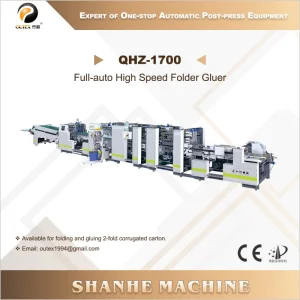
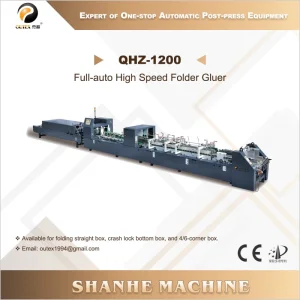
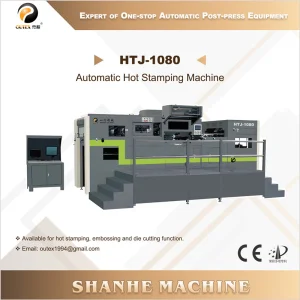
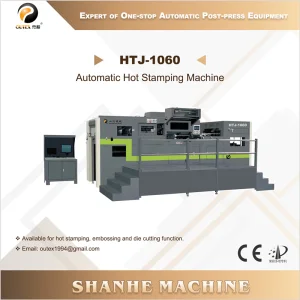
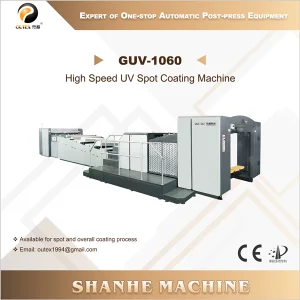
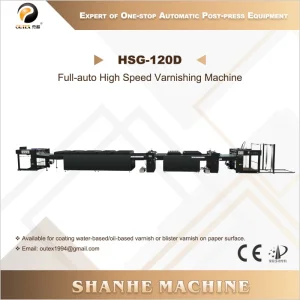
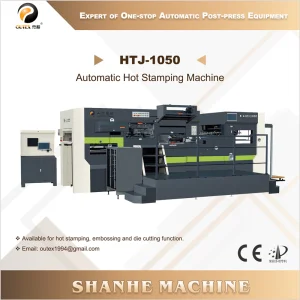
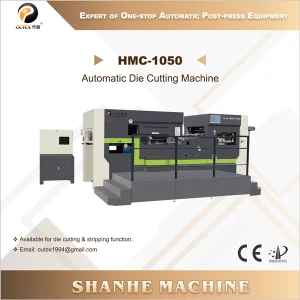
Featured Precision Engineering Equipment Manufactured for High-Efficiency Converting & Packaging Lines
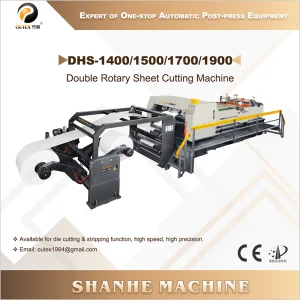
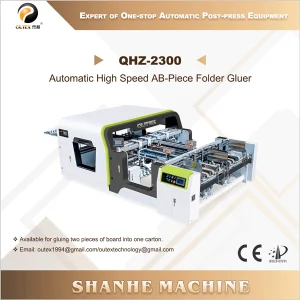
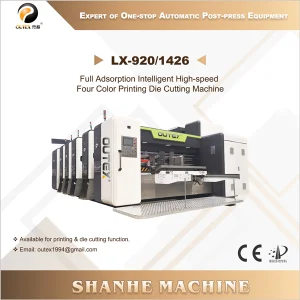
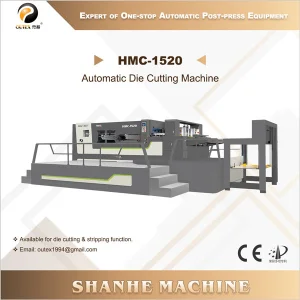
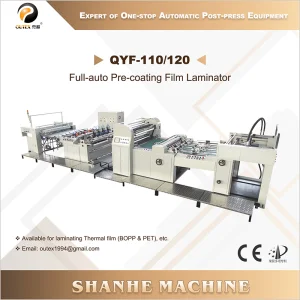
In the contemporary packaging, converting, and paper manufacturing industries, selecting the ideal paper roll cutting machine companies and products is a pivotal strategic decision. Modern high-speed commercial printing presses, corrugated box production hubs, flexible packaging converters, and specialty paper mills rely heavily on precision paper roll-to-sheet cutters (sheeters) and roll slitters. The primary goal is maintaining uninterrupted material throughput, minimizing web trim waste, and eliminating knife-dust contamination during high-speed roll processing.
As global supply chains pivot toward higher automation, strict environmental compliance, and just-in-time (JIT) short-run agility, packaging manufacturers require equipment capable of handling wide dynamic range substrate weights—from lightweight 40 gsm kraft paper to heavy-duty 500 gsm paperboard and multi-layer laminated stocks. This whitepaper analyzes the mechanical engineering paradigms, tension control telemetry, edge-trim management, knife blade synchronization, and economic factors governing modern roll cutting machinery.
Information Gain Insight: Equipment sourcing decisions are moving away from traditional mechanical fly-knife systems toward twin-rotary synchronous knife technologies equipped with closed-loop servo motion control. Precision edge alignment tolerances within ±0.3mm at line speeds reaching 350 to 450 meters per minute are now the baseline expectation for Tier-1 packaging enterprises.
Detailed Mechanics, Synchro-Fly Knife Dynamics, and Micro-Tension Feedback Loops
Utilizes dual rotating helical knife drums driven by independent high-torque AC servo motors. The cutting speed matches the web speed precisely at the cutting point, delivering burr-free, dustless edge profiles across heavy paperboard without crushing paper fibers.
Integrates multi-point load cell sensors combined with pneumatic dancer arm assemblies. Continuously calculates roll diameter decay in real time to adjust brake torque dynamic profiles, preventing web breaks and material stretching.
Employs motor-driven anti-curl rollers with automatic angular tilt adjustments. Eliminates paper web memory and roll curvature prior to cross-cutting, ensuring perfectly flat sheets for downstream offset press feeding and high-speed box gluing.
In high-speed roll sheeting, web tension balance ($T$) directly influences cut length repeatability and side trim accuracy. The mathematical equilibrium governing the unwinding stand is expressed via dynamic brake torque modulation:
By executing real-time microsecond PLC recalculations based on this model, modern paper roll cutting machines from leading manufacturers eliminate sheet length variance during rapid machine acceleration and deceleration cycles.
Tailored Converting Engineering Across Diverse Industrial Substrate Ecosystems
High-volume processing of white-lined chipboard (WLC) and solid bleached sulfate (SBS) board. Clean dust-extraction modules prevent fiber shed from contaminating food-contact packaging surfaces prior to high-speed die-cutting.
Precise conversion of jumbo mill rolls into custom sheet sizes for offset presses (e.g., Heidelberg, Komori) and high-speed digital web platforms. Rapid sheet size changeovers via HMI touchscreens reduce job set-up downtime to under 3 minutes.
Heavy-duty slitting and sheeting of kraft linerboard and fluting mediums for corrugated box manufacturing lines. Integrated overlapping sheet delivery systems prevent scuffing on delicate printed surfaces.
Sheeting and slitting of poly-coated cupstock, silicone-coated release papers, aluminum-laminated films, and eco-friendly barrier materials requiring non-marking transport belts and specialized anti-static bar setups.
Unrivaled Manufacturing Density, Precision CNC Tooling & Global Export Logistics
China's Guangdong, Shantou, and Eastern seaboard machinery manufacturing hubs house fully integrated supply chain ecosystems. From heavy cast-iron frame foundries to ultra-precision CNC gear grinding, every component supplier resides within a 50-kilometer radius.
Modern Chinese equipment manufacturers utilize 5-axis machining centers (e.g., Mazak, DMG Mori) for critical knife drum alignment. Every machine undergoes 72 hours of continuous high-speed test runs under real paper loading prior to export dispatch.
Direct factory export setups bypass third-party brokers. Engineering teams offer modular customization options—including specialized inline slitting, mark-registration sensors, automatic pallet turners, and customized electric voltage configurations.
Artificial Intelligence, IoT Predictive Telemetry, and Zero-Waste Sheeting Innovation
Integration of line-scan CCD cameras above the unwind web. Real-time vision systems detect pinholes, spots, creases, and splices, automatically triggering downstream reject gates without stopping the main cutter line.
Machine learning algorithms analyze historical paper grade deformation metrics, dynamically tuning PID loop tension constants based on ambient humidity and paper moisture profiles to eliminate edge waviness.
Fully automated robot arm stacking integrated with ultrasonic non-contact slitting heads, achieving zero dust generation on sensitive medical and cleanroom paperboard applications.
Complete Industrial Machinery Line-up for Integrated Packaging Converters

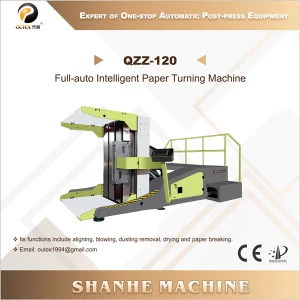
Ensuring Regulatory Alignment, Operator Safety, and Lifelong Field Service Engineering
All machinery conforms to stringent European CE directives (Machinery Directive 2006/42/EC and Low Voltage Directive 2014/35/EU). Integrated safety light curtains, emergency stop circuits, and interlocking acoustic enclosures guarantee operator protection.
Equipped with encrypted VPN router modules (e.g., eWON / Siemens SCALANCE), allowing factory software engineers to perform remote PLC updates, servo drive parameter adjustments, and troubleshooting instantly across continents.
Field Service Engineers (FSEs) dispatch globally for foundation planning, mechanical assembly, electrical integration, and operator training. Spare parts repositories maintained in key regional logistics hubs ensure 48-hour part dispatch.
Expert Answers to Critical Sourcing, Technical Selection, and Maintenance Questions