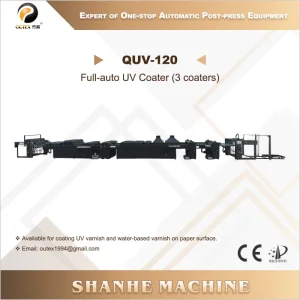
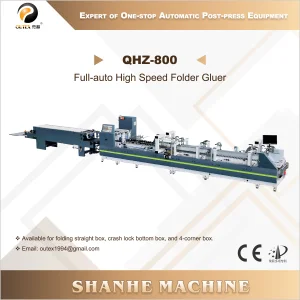
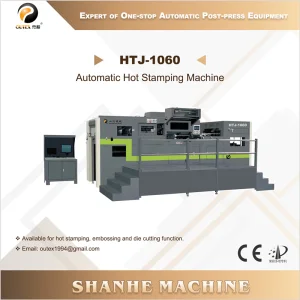
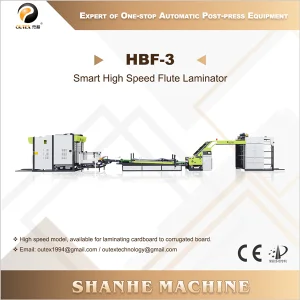
Explore leading-edge automated varnishers, die cutters, gluers, and coaters built for enterprise volume.
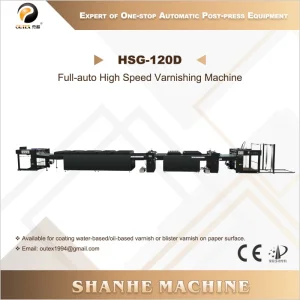
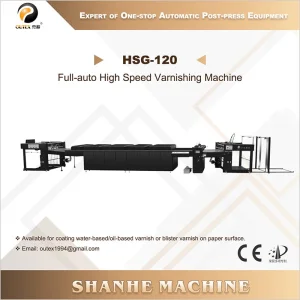
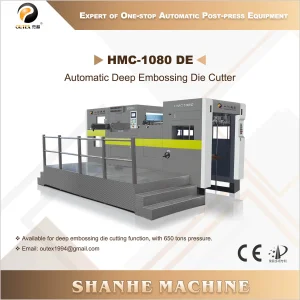
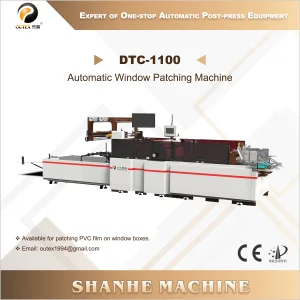
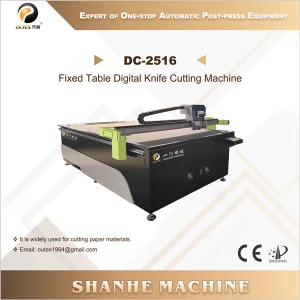
In contemporary post-press converting, varnishing machines have evolved from peripheral finishing equipment into core strategic assets. Driven by stringent sustainability mandates, rising demand for high-end tactile packaging, and the relentless quest for operational throughput, global print-packaging enterprises are overhauled by next-generation coating architectures.
The global packaging sector is undergoing a massive structural shift. As plastic film lamination faces increasing regulatory pressure across the European Union and North America due to recyclability restrictions, water-based (aqueous) and UV curing varnishes have emerged as the primary eco-compliant alternative. Industrial buyers are shifting toward multi-functional varnishing platforms capable of high-speed inline operation, spot embellishments, and barrier protection.
Furthermore, consumer-facing industries—such as luxury cosmetics, premium spirits, pharmaceuticals, and high-end consumer electronics—increasingly rely on surface finishes to drive brand differentiation. Gloss levels exceeding 90 GU (Gloss Units), tactile soft-touch textures, and drip-off matte/gloss contrasts are now standard requirements, placing extreme demands on the precision and stability of varnishing machinery.
Modern packaging plants cannot evaluate varnishing machinery based on purchase price alone. Total Cost of Ownership (TCO) is dominated by energy consumption during curing, varnish transfer efficiency (minimizing g/m² waste), and setup changeover times. Equipment integrating automatic impression adjustment, servo-driven feeder heads, and smart LED-UV curing systems yields up to a 32% margin advantage over legacy thermal drying setups.
Achieving defect-free, mirror-like gloss or precision spot coating requires rigorous mechanical engineering and precise electronic control. Below is a detailed breakdown of core system modules engineered into modern high-speed varnishing equipment.
Utilizes non-stop stream feeders equipped with multi-stage suction heads, electronic double-sheet detectors, and skew-adjustment side-lays. Handles paper weights from 80 g/m² light sheets up to 600 g/m² heavy paperboard and B-to-E flute corrugated board with precise registration tolerances within ±0.15 mm.
Features ceramic anilox rollers paired with chambered doctor blade systems or reverse-roller metering systems. Enables micro-metered liquid film thickness control (1.5 to 8.0 g/m² wet weight), eliminating pinholes, orange-peel texture, and varnish streak defects across full-width sheets up to 1200 mm.
Combines high-velocity hot air knives, Infrared (IR) drying arrays for water-based acrylic coatings, and high-intensity Mercury or UV LED lamps for photopolymer resin curing. Smart step-less power adjustment automatically synchronizes lamp output with machine operating speeds.
| Technology Type | Target Finish / Effects | Coating Chemistry | Typical Speed | Key Advantage |
|---|---|---|---|---|
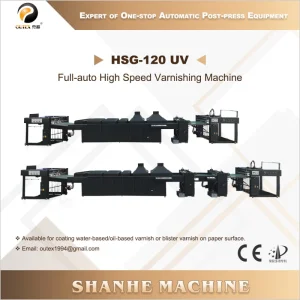
| Full-Auto UV Coating (e.g. HSG-120UV) | High-Gloss Mirror Finish (>95 GU), Matte, Protective Scratch Layer | 100% Solid UV Curable Acrylate Resins | 8,000 – 12,000 sheets/hr | Instant curing, superior chemical & scratch resistance, zero VOC emissions. |
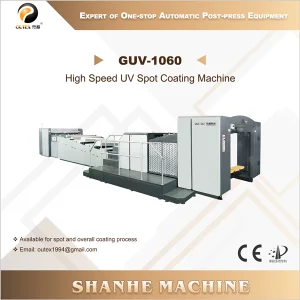
| UV Spot Coating (e.g. GUV-1060) | Selective Embellishment, Drip-Off, 3D Raised Texture | High-Viscosity UV Spot Varnish & Photopolymer Plates | 6,000 – 9,000 sheets/hr | Precision register embellishment on designated graphic zones; visual contrast. |
| Varnishing & Calendering (e.g. HSY Series) | Ultra-High Gloss Mirror-Like Finish on Packaging Paperboard | Water-dispersive Calendering Varnish + Heated Polish Roller | 5,000 – 8,000 sheets/hr | Achieves film-like gloss levels without plastic laminating films; cost-effective. |
| Water-Based Aqueous Coating | Sealing Coat, Fast Drying Protection, Food-Safe Packaging | Water-borne Acrylic Emulsions | 9,000 – 11,000 sheets/hr | Recyclable, non-yellowing, compliant with direct food-contact safety standards. |
Selecting the right OEM/ODM manufacturer is a multi-million-dollar operational decision. Packaging enterprise buyers must evaluate production facilities through a rigorous technical auditing framework.
Top-tier factories operate heavy CNC gantry machining centers to mill cast-iron machine frames. High structural rigidity is necessary to prevent vibration during 10,000 sheet/hour continuous runs, ensuring long-term bearing and roller alignment.
Ensure compliance with European Safety Directives (CE marking), ISO 9001 Quality Systems, and UL electrical component standards. PLC control platforms should utilize world-class components (e.g. Siemens, Schneider, Omron) to guarantee global spare parts availability.
Reputable manufacturers perform 72-hour continuous dry-run tests and real-substrate coating tests before shipment. Thermal imaging, vibration analysis, and register precision checks are documented in factory acceptance reports (FAT).
Varnishing machinery must adapt to diverse end-market requirements across global regions. Here is how modern platforms deliver specialized solutions across critical industry verticals.
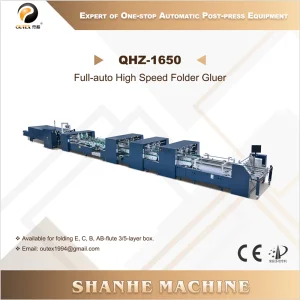
Requires low-migration UV varnishes and strict zero-contaminant operation. Equipment incorporates non-contact IR/LED drying tunnels, anti-static bar ionization, and precise spot coating to keep gluing flaps clear of varnish, ensuring 100% seam adhesion on high-speed folding gluers.
Employs multi-pass or inline spot UV coating (e.g. GUV-1060 series) to create high-contrast tactile effects: soft-touch matte bases with raised gloss details, drip-off textures, or glitter varnishes that command attention on retail shelves.
Utilizes food-safe water-based functional coatings providing oil, grease, and moisture barriers for takeout boxes, frozen food packaging, and e-commerce shipping cartons. Heavy-duty feeders easily handle laminated micro-flute boards.
The next decade of post-press machinery engineering will be defined by digital intelligence, sustainability, and complete cyber-physical system integration.
Future varnishing lines integrate high-resolution inline optical cameras and spectrophotometers that continuously measure coating gloss level and coat-weight distribution across every single sheet. Machine learning algorithms dynamically adjust anilox blade pressure and varnish viscosity in real-time, eliminating operator intervention and reducing scrap rates to near zero.
Conventional mercury vapor lamps are being rapidly phased out in favor of narrow-spectrum LED-UV arrays (385–395 nm). LED-UV curing cuts electricity consumption by up to 70%, eliminates heat transfer to heat-sensitive plastic or thin paper substrates, operates without ozone generation, and boasts lamp lifespans exceeding 20,000 continuous operating hours.
Expert guidance addressing common operational, financial, and technical queries from international machinery buyers.
Full-surface UV varnishing coats the entire printed sheet from edge to edge to provide maximal gloss, moisture resistance, and surface protection. Spot UV coating applies varnish selectively to designated graphical zones (such as logos, images, or brand text) using a flexographic photopolymer plate or digital inkjet head. Spot UV creates high-end visual contrast and tactile appeal while leaving gluing flaps unvarnished to ensure robust box assembly.
Varnishing eliminates the recurring material cost of plastic thermal laminating films (BOPP/PET). Aqueous and UV varnishes cost significantly less per square meter than film laminates. Additionally, varnished paperboards are 100% repulpable and recyclable, avoiding plastic separation surcharges in eco-conscious markets while running at significantly higher machine speeds (up to 12,000 sheets/hour).
High-performance varnishing machines (such as SHANHE’s HSG series) process a wide variety of substrates, ranging from lightweight paper sheets starting at 80–100 g/m² up to heavy folding boxboard (FBB) of 600 g/m², as well as laminated E/B-flute corrugated board up to 4 mm thickness, using specialized stream feeder heads and smooth sheet-transfer drum geometry.
Tier-1 manufacturers provide complete turnkey support: pre-shipment factory acceptance testing (FAT), site preparation planning, on-site commissioning by field engineers, comprehensive operator training, free consumable spare parts kits, a 12-month full warranty, and lifelong remote diagnostic telemetry via IoT PLC gateways.
Water-based (aqueous) coatings dry via thermal hot air/IR evaporation, producing a natural, non-yellowing satin or medium gloss finish that is completely odor-free and safe for direct food packaging. UV varnishes cure instantly under ultraviolet light via chemical polymerization, offering ultra-high gloss (>95 GU), superior rub resistance, and chemical durability, making them ideal for cosmetic and luxury packaging.
Discover our complete line of laminators, die-cutters, folder gluers, and window patchers.