What Is the Best Big Size Laminator in 2026?

Time:2026-11-21 Author:Aria
0%

Choosing the best Big Size Laminator in 2026 depends on what you laminate, how often you use it, and how much workspace you have. A wide machine may handle posters, charts, menus, and oversized documents, but a larger format alone does not guarantee better results. That difference matters.

This guide looks at practical specifications, including maximum sheet width, compatible pouch thickness, warm-up time, laminating speed, and roller design. It also considers details that can be easy to overlook: the machine’s footprint, cooling needs, ease of clearing a jam, and the availability of replacement supplies. Small details count. A laminator used for occasional classroom displays may need different features from one running daily in a busy print room.

There is no single best choice for every buyer. A fast model may cost more or take up valuable counter space, while a compact option may limit the size of projects you can finish. Some trade-offs are unavoidable. The recommendations in this article are organized around those real-world needs, with specifications treated as a starting point rather than a promise of perfect performance. Check the manufacturer’s current guidance before purchase, especially for supported materials and operating limits. A little caution helps: even a capable machine can produce curled edges or bubbles when settings, pouch type, or feeding technique are not a good match.
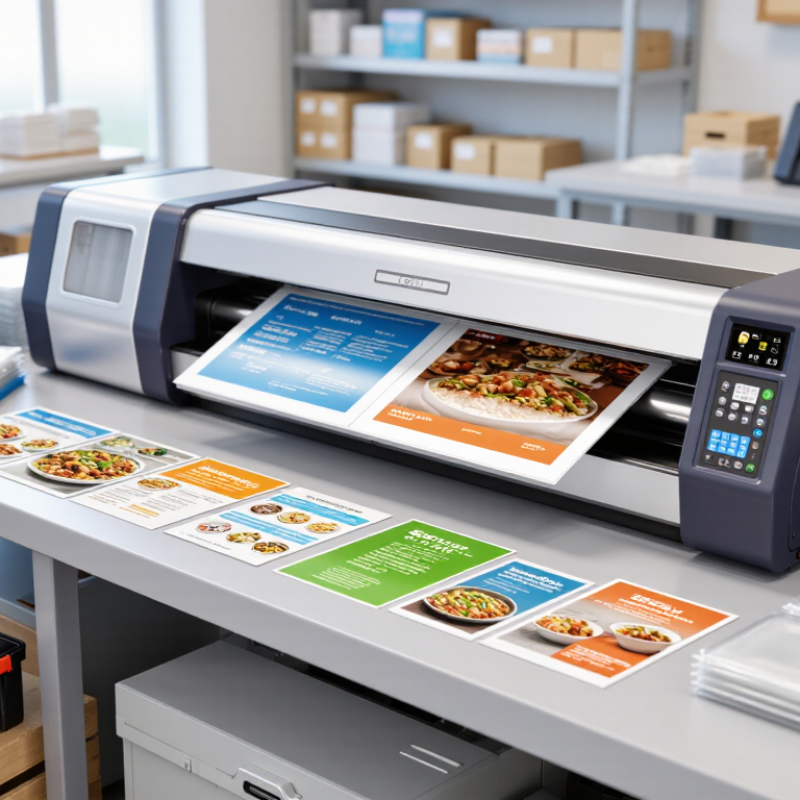
What Is the Best Big Size Laminator in 2026?

What Is a Big-Size Laminator and How Is It Measured?

A big-size laminator is a machine designed to seal sheets or graphics wider than standard office documents. There is no single industry-wide cutoff for “big size,” so check the usable feed width rather than the machine’s outer casing. A wide housing can hide a narrow feed path. Measure the widest item you plan to laminate, including any border that must remain sealed.

For example, a 24 × 36-inch poster needs at least 24 inches of usable feed width when fed short-edge first. Confirm the maximum film thickness, supported pouch or roll format, and clearance for the finished sheet. ISO 534:2011 provides a standardized method for measuring paper thickness, while ISO 536:2019 defines paper grammage measurement. These are useful material references, but they do not set laminator-size classes. Keep paper thickness and film thickness separate when checking a machine’s specifications; confusing them is an easy mistake.

Tips: Measure twice. Leave a small margin around the sheet, and test with a similar-sized offcut before laminating a valuable print. A little extra width helps, but oversized equipment may take more bench space than expected.

What Is the Best Big Size Laminator in 2026? — What Is a Big-Size Laminator and How Is It Measured?
Paper Format Standard Sheet Size (mm) Minimum Working Width for Short-Edge Feeding Minimum Working Width for Long-Edge Feeding Typical Use How to Interpret the Size
A4 210 × 297 210 mm 297 mm Documents, certificates, worksheets, and everyday office materials A machine’s stated maximum working width must accommodate the sheet edge that enters the rollers.
A3 297 × 420 297 mm 420 mm Posters, diagrams, menus, and larger presentations A3-capable machines are often considered large-format for office use, but “big size” has no single universal definition.
A2 420 × 594 420 mm 594 mm Large displays, plans, artwork, and teaching materials Check the usable laminating width, not just the advertised paper format.
A1 594 × 841 594 mm 841 mm Large posters, maps, technical drawings, and display graphics This size generally requires wide-format equipment; confirm the machine’s supported media and feed direction.
Custom or roll media Varies Measure the material’s width across the rollers Continuous graphics, banners, and non-standard sheet sizes For roll laminators, check both maximum media width and the supported roll or material thickness.

“Big-size laminator” is a general description rather than a standardized equipment category. Laminator size is primarily measured by maximum working width—the usable width across the rollers—not by the machine’s external dimensions. Paper dimensions shown are ISO A-series sizes; actual machine capacity, margins, and compatible laminating materials vary by model.

How Do Large-Format Laminators Work?

What Is the Best Big Size Laminator in 2026?
How Do Large-Format Laminators Work?

A large-format laminator bonds a protective film to a printed sheet using heat, pressure, or both. The print travels between rollers, which press the film evenly across its surface. In heated models, controlled warmth activates the film’s adhesive; pressure-sensitive films rely on roller pressure instead. Simple in principle. Sensitive in practice.

Roller temperature, pressure, and feed speed must work together. Too much heat can distort some prints, while uneven pressure may leave bubbles or dull patches. Operators also need to match the machine’s working width to the largest sheets they actually process. A wider machine is not automatically better if its rollers cannot maintain even contact across the full span.

Grand View Research valued the global digital printing market at USD 35.5 billion in 2023 and projected a 6.7% compound annual growth rate from 2024 to 2030. That report does not measure laminator demand directly, but it signals a growing need to protect varied, short-run print work. For buyers, checking film compatibility and temperature stability matters as much as maximum width. One detail is easy to overlook: test a sample print first. A small trial can reveal curling or trapped air before a full sheet is ruined.

Which Features Matter Most in a 2026 Laminator?

For a large-format laminator, check the usable entry width before comparing extra features. A machine advertised for oversized sheets may still struggle with thick materials or uneven feeding. Measure your largest document, then leave a little clearance on each side. A wide feed path helps posters pass through without trimming, but it also takes up more desk space.

Temperature and speed controls matter when you switch between pouch thicknesses. Too much heat can wrinkle a print; too little may leave cloudy edges. Adjustable settings help, though they take practice. That matters. Look for a clear ready light, steady rollers, and a reverse function for easing out a crooked sheet. A removable tray can support long pages and reduce sagging. Check the stated warm-up time and continuous-use capacity, especially if you laminate several items in one session. Simple controls are useful. A crowded panel is not always more capable. Before buying, confirm that replacement pouches are available in the sizes and thicknesses you need. Even a capable machine cannot fix a dusty print or a badly aligned pouch, and that part is easy to underestimate.

What Is the Best Big Size Laminator in 2026? Which Features Matter Most?

Practical buying-priority scores on a 1–5 scale. These are editorial ratings, not survey results or product test measurements.

For oversized projects, start with the usable laminating width and the pouch thickness the machine supports. Warm-up time, feed speed, and a reverse function can also make frequent or jam-prone jobs easier.

How Should You Compare Big-Size Laminator Types?

How should you compare big-size laminator types? Start with the work, not the widest advertised number. A roll-to-roll machine suits repeated posters, banners, and long graphics; a sheet-fed pouch unit handles occasional oversized pieces with simpler setup. Cold laminators use pressure-sensitive film, which can protect heat-sensitive prints. Hot-roll systems bond thermal film, but require careful temperature control. Different jobs, different trade-offs.

Compare usable feed width, roller gap, speed, temperature range, and pressure adjustment. A 60-inch working width is not useful if your mounted board exceeds the machine’s clearance. Check whether the quoted speed reflects real production, including warm-up, loading, and trimming. Small detail. It matters. Also ask whether the unit handles both one-sided film and encapsulation without frequent reconfiguration.

The Smithers report The Future of Global Print to 2032 forecasts a global print market value of about $846 billion in 2032. That broad forecast signals continuing demand for printed materials, not a guaranteed workload for any shop. Match the laminator to your weekly volume and largest routine job, then leave some capacity for occasional oversize work. Honestly, throughput figures can look persuasive on paper; film changes and operator experience often complicate the comparison.

Which Laminator Best Fits Different Projects and Workloads?

The best big-size laminator depends on what you run through it and how often. Measure your widest document, then allow extra room for feeding and trimming. A machine that handles a 24-inch poster may not suit a wider map or banner. Check the maximum working width and supported film thickness, not just the product description. For occasional charts, classroom displays, or a few menus, a pouch-style unit may be simpler to operate. For repeated poster batches, a roll laminator can keep work moving. That matters.

Daily workloads call for steady temperature control, adjustable speed, and rollers that feed sheets evenly. A reverse function can help when film wrinkles or catches, though it cannot fix every jam. Consider warm-up time, workspace, and how quickly finished pieces can cool before stacking. Test one sheet. Film, paper, ink, and heat behave differently, so follow the machine’s material guidance and try a spare print first. A specification sheet will not reveal every feeding quirk. I would compare the machine against a real project sample before committing, even if that adds an inconvenient step.

FAQS

What qualifies as a big-size laminator?

It handles sheets wider than standard office documents. There is no universal cutoff. Check usable feed width, not the machine’s outer casing.

How do I measure the feed width I need?

Measure your widest sheet, including any border that must remain sealed. A 24 × 36-inch poster needs at least 24 inches of usable width when fed short-edge first. Leave a little clearance.

Are paper thickness and film thickness the same specification?

No. Check them separately. Confusing paper thickness with film thickness is an easy mistake.

Which settings matter when using different pouches?

Adjustable temperature and speed help when pouch thicknesses change. Too much heat can wrinkle a print; too little may leave cloudy edges. Settings need practice.

What features can help with large sheets?

Steady rollers, a reverse function, and a removable tray can help. The tray supports long pages and reduces sagging. A reverse function can ease out a crooked sheet.

What should I check before laminating several items?

Check warm-up time and continuous-use capacity. A clear ready light can also make operation easier. Simple controls help.

Is a wider feed path always better?

It can let posters pass through without trimming, but the machine may take more desk space. I would measure the bench too; that detail is easy to forget.

How can I protect a valuable print?

Test with a similar-sized offcut first. Keep the print clean and align the pouch carefully. Even a capable machine cannot fix dust or poor alignment.

Conclusion

Choosing the best Big Size Laminator in 2026 starts with understanding what “big size” means: the machine’s maximum working width and the dimensions of the materials it can handle. Large-format laminators use heated rollers, pressure, or a combination of both to apply protective film to prints, posters, signs, and other wide materials. Matching the machine’s capacity to your typical project size helps prevent wasted space, uneven finishes, and unnecessary expense.

When comparing options, consider temperature and speed controls, roller pressure, warm-up time, film compatibility, ease of operation, and maintenance needs. Different types suit different workloads: compact models can work well for occasional projects, while wider or higher-capacity machines are better for frequent production and oversized materials. The right choice depends on the balance of print dimensions, output volume, finish quality, workspace, and budget. A careful comparison helps you select a laminator that supports both current projects and future needs.

Aria

Aria

Aria is a dedicated marketing professional with a deep passion for innovative strategies and a keen understanding of our company's product offerings. With a wealth of experience in the industry, Aria excels at crafting engaging content that highlights the unique features and benefits of our......

有兴趣合作?

给我发一封邮件,我会尽快回复你。

发送邮件