Choosing the right Semi Automatic Flute Laminating Machine supplier requires more than comparing prices or catalog photographs. Buyers must examine feeding accuracy, glue control, board compatibility, service response, and verified production results. A machine may look impressive on a showroom floor, yet struggle with warped sheets, dusty workshops, or frequent size changes.
Industry demand explains the pressure. Grand View Research valued the global corrugated packaging market at approximately USD 205.98 billion in 2023 and projected continued growth through 2030. Smithers, in The Future of Global Packaging to 2028, also identifies e-commerce, sustainability, and lightweight packaging as major market influences. These trends are pushing converters toward equipment that improves throughput without sacrificing bonding quality. Small gains matter.
A practical supplier comparison should therefore include laminating speed, maximum and minimum sheet sizes, flute compatibility, adhesive consumption, and operator training. Ask for test samples using your actual liner and corrugated board. Inspect the overlap at the edges. Check whether the machine maintains pressure across a 1.6-metre sheet, not merely a small demonstration sample. Suppliers with documented installations, accessible spare parts, and transparent warranty terms usually deserve greater trust.
Still, published specifications do not tell the whole story. Real factory conditions expose weaknesses. Some suppliers may overstate speed while ignoring setup time and rejected sheets. This is where independent references, factory audits, and production trials become valuable. The following guide examines leading suppliers through measurable performance, after-sales capability, technical evidence, and suitability for different packaging operations. Reliability is earned on the shop floor.
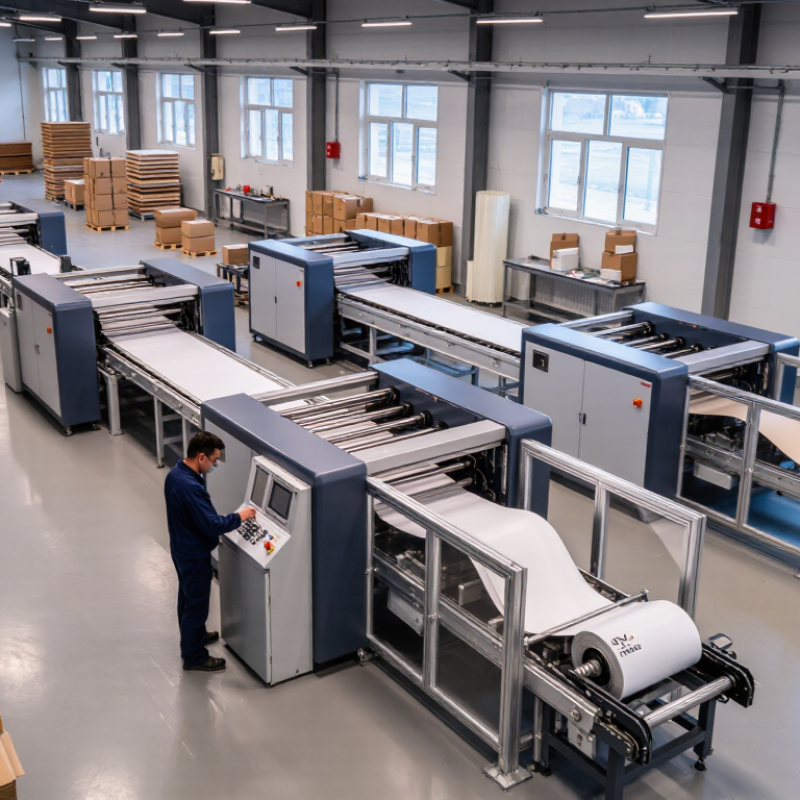
Semi-automatic flute laminating machines bond printed sheets to corrugated boards with controlled pressure and adhesive. Operators usually feed sheets by hand, while rollers guide, press, and align the materials. This design reduces manual errors without requiring a fully automated production line. It suits packaging workshops with changing orders and moderate output demands.
A reliable supplier should explain flute compatibility, maximum sheet size, laminating speed, and glue requirements clearly. Ask for a live demonstration using your actual paper and board. Sample testing reveals alignment problems that brochures often hide. Check the machine’s pressure adjustment, feeding table, roller material, and cleaning access. Good technical support matters, especially during installation and operator training. Replacement parts should be available through a documented service process.
Production speed is not everything. Uneven pressure can create bubbles, lifted corners, or weak bonding. I once underestimated setup time when changing board thickness; the machine looked simple, but calibration needed patience. That mistake deserves attention. Operators should record glue quantity, humidity, board direction, and rejected sheets. Small changes can affect adhesion. Safety guards, emergency stops, and clear operating instructions also show whether a supplier takes professional standards seriously. A practical supplier will discuss limitations instead of promising perfect results.
Ask the supplier to laminate your actual flute board, paper weight, and sheet size. Run a real production trial. Check glue coverage, feeding accuracy, pressing pressure, and sheet alignment. Sample sheets from different batches can reveal unstable results.
Not completely. Maximum speed may exceed stable production speed. Ask for output data under normal working conditions. Test heavier boards and difficult flute profiles. Speed claims need context.
Inspect edges, corners, bubbles, weak bonding, and surface wrinkles. Small wrinkles may indicate uneven pressure or poor feeding control. Check whether operators need frequent manual corrections. That detail is easy to miss.
Confirm flute range, sheet-size limits, adjustment methods, and electrical requirements. Ask whether heating is necessary. Check compatible adhesive types and drying time. The machine must match your materials, not just your catalog requirements.
Observe coating consistency across the entire sheet. Uneven glue can cause bubbles, weak edges, and rework. Ask how operators clean glue rollers after each shift. Easy cleaning matters.
Inspect access panels, roller cleaning points, and adjustment areas. Confirm whether replacement parts are standard and clearly documented. Request a maintenance schedule and expected cleaning frequency. I once underestimated cleaning access, and production slowed later.
They are important when commissioning problems interrupt production. Ask about installation guidance, operator training, and response times. Request clear warranty and spare-part procedures. A vague answer is useful evidence.
Request references from similar packaging applications. Review inspection records, delivery procedures, and warranty terms. Ask for running videos, but do not rely on videos alone. Factory visits can reveal vibration, noise, and difficult adjustments.
Create a written acceptance checklist covering speed, alignment, glue coverage, and finished-sheet quality. Include your actual board samples and production conditions. Use a short production trial before final acceptance. No evaluation is perfect.
Choosing the right Semi Automatic Flute Laminating Machine requires a clear understanding of its structure, working process, and production advantages. This type of equipment is designed to bond printed sheets with corrugated flute board efficiently while reducing manual handling. Important features may include accurate sheet positioning, stable feeding, adjustable laminating pressure, reliable adhesive application, and simple controls. Buyers should also consider output capacity, compatible paper sizes, material flexibility, energy use, and ease of operation when comparing suppliers.
A dependable supplier should offer consistent machine quality, detailed technical specifications, responsive communication, and practical after-sales support. Before purchasing, it is important to confirm installation requirements, operator training, spare parts availability, warranty terms, and maintenance procedures. Evaluating suppliers through performance comparisons, customer service standards, delivery arrangements, and total operating costs can help businesses make a confident decision. Proper installation and regular cleaning, lubrication, inspection, and adjustment will further improve machine stability, extend service life, and support consistent laminating results.

给我发一封邮件,我会尽快回复你。
发送邮件