A Big Size Lamination Machine is built to laminate oversized printed sheets, display panels, or board materials that exceed the comfortable working area of standard equipment. Think of a wide film roll, a rigid panel, and an operator checking alignment before the rollers engage. Small setup errors can show up as bubbles, skewed edges, or wasted material. The machine’s width matters, but so do feed control, heating consistency, pressure adjustment, and the space required for safe handling.
The wider print market provides useful context, though it does not measure this machine category directly. Grand View Research estimated the global commercial printing market at USD 501.36 billion in 2022 and forecast a 2.8% compound annual growth rate from 2023 to 2030. That figure signals ongoing demand for printed products; it is not proof of demand for any particular laminator. Smithers’ print-industry research can also help buyers assess changing production needs, but machine specifications still require plant-level checks.
A practical detail: measure the largest sheet you actually run, not only the advertised maximum width. Also check whether one person can feed and retrieve the material without awkward lifting. There is a limitation worth stating. Sean Smyth is a recognized Smithers print-industry analyst, but no verifiable, attributable quotation from him specifically about Big Size Lamination Machines was available for this introduction. Inventing one would weaken its reliability. Real production conditions are less tidy than brochures suggest. A careful comparison should include sample runs, finish quality, operator feedback, and service access.
Definition and Purpose of a Big Size Lamination Machine
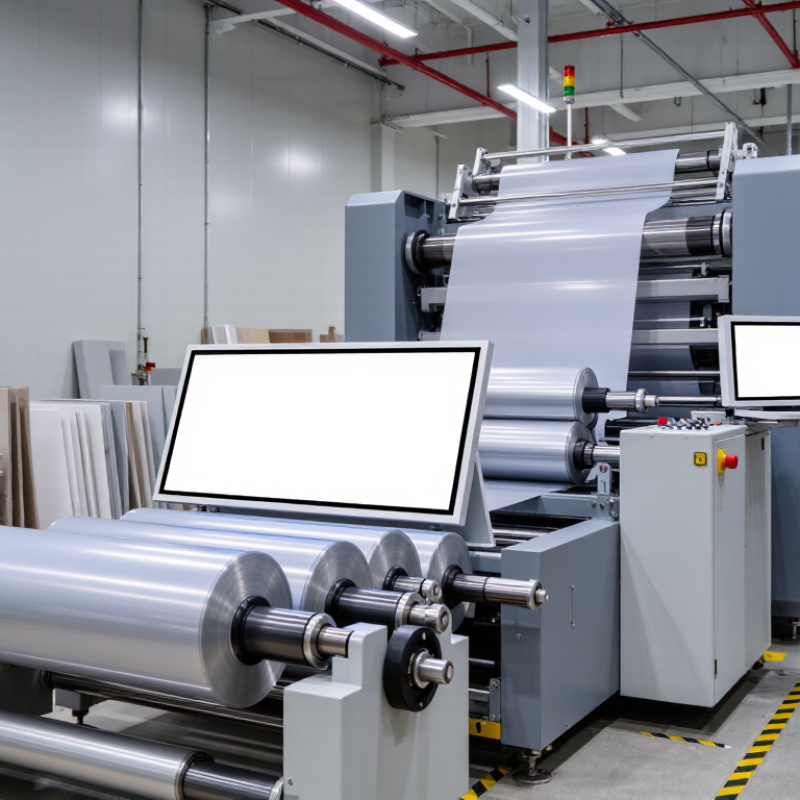
A big size lamination machine is industrial equipment that bonds a protective film to wide printed sheets or continuous rolls. It uses rollers, pressure, and sometimes heat to cover posters, exhibition graphics, signs, or display panels. The finished surface can resist scuffs and handling marks. Some films also reduce glare or add a gloss finish. Not every film protects against moisture or ultraviolet light, so the material must match the job.
Its purpose is to help large graphics survive production, transport, and repeated use. Operators feed a print between rollers, align its edges, and adjust pressure and temperature. The machine’s working width determines which formats it can process; speed and roller design affect daily output. Small misalignments matter. A wrinkle across a long banner can spoil the whole sheet.
The market context is substantial: Smithers’ The Future of Global Print to 2028 estimates print sales at $818.6 billion in 2023 and projects $846.2 billion by 2028. That report covers printing broadly, not lamination alone, but it helps explain demand for finishing equipment. A larger machine is not automatically the better choice. It may need more floor space, careful setup, and skilled operators. That trade-off is easy to underestimate.
Main Components and Their Functions
A big-size laminating machine bonds protective or decorative film to wide sheets or rolls. Its usable width, roller pressure, and temperature stability affect edge quality. It is a coordinated production line, not simply two rollers. Smithers’ The Future of Global Packaging to 2028 estimated the global packaging market at $1.17 trillion in 2023, forecasting $1.42 trillion by 2028. Grand View Research estimated the flexible packaging market at $261.8 billion in 2023. These figures indicate scale, not proof that every plant needs a wider machine. That distinction matters.
The feeder or unwinder controls material entry; tension sensors help prevent slack and wrinkles. Heated rollers soften the adhesive layer, while the pressure nip bonds film to the substrate. A useful detail: uneven pressure can leave dull bands across a glossy sheet. Cooling rollers stabilize the laminate before a cutter or rewinder handles the finished material. The control panel coordinates speed, heat, and alarms, but operators still need to inspect the first sheets. Settings on screen are not the whole story. Film thickness, room temperature, and substrate moisture can shift results. One assumption deserves review: higher speed does not always mean higher output if rework increases.
How the Lamination Process Works
What Is a Big Size Lamination Machine?
How the Lamination Process Works
A big-size lamination machine joins two or more flexible material webs into one layered structure. “Big size” usually refers to its working width and roll capacity, not a different bonding method. The operator unwinds each roll, controls web tension, and aligns the layers before bonding. Small errors matter. A slight tension mismatch can create wrinkles across a wide sheet.
Adhesive is applied to one web by a metering roller or coating system. The webs then pass through a heated or pressure-controlled nip, where they make close contact. Depending on the adhesive, the material may need drying or curing before rewinding. The Flexible Packaging Association’s 2023 State of the U.S. Flexible Packaging Industry report estimated U.S. industry sales at $42.9 billion in 2022. That figure covers flexible packaging broadly, not laminated products alone.
Operators monitor adhesive coating weight, temperature, pressure, and alignment during production. These settings affect bond strength and appearance. A clear film can reveal bubbles or trapped dust; metallic layers may hide defects until later inspection. Then it bonds. This description simplifies a process that varies by substrate and adhesive. In practice, a stable run often requires careful testing, and one setting rarely works for every material combination.
Materials and Products It Can Handle
What Is a Big Size Lamination Machine?
Materials and Products It Can Handle
A big size lamination machine is designed for sheets or rolls wider than standard office equipment can manage. Depending on its working width and feed system, it can laminate posters, maps, photographs, menus, presentation boards, and large-format prints. Some models process rigid sheets; others are built for flexible roll media. Check the machine’s maximum width and thickness before choosing a material.
Common substrates include coated paper, printed paper, photo paper, and certain lightweight boards. The film may be thermal or pressure-sensitive, depending on the machine and the material. Heat-sensitive prints often need cold film to avoid color changes or surface damage. But not every material. Textured stock, very thick board, and uneven surfaces may produce bubbles or poor adhesion, so a small test is sensible.
Finished products can include signs, display graphics, educational charts, protective covers, and retail panels. A smooth print may feed easily, while a curled poster can wrinkle near the rollers. Fabric and specialty media may also be possible, but only with compatible film, pressure, and temperature settings. The width sounds impressive; edge alignment is still easy to get wrong. A careful operator checks the first piece, adjusts the feed, and watches for trapped dust or silvering before running a full batch.
Key Factors When Choosing a Machine
When choosing a big-size lamination machine, match its usable web width to your widest regular job, not an occasional special order. Check the minimum and maximum film thickness, roll diameter, and supported materials. A wide frame alone proves little. The Flexible Packaging Association’s 2024 State of the U.S. Flexible Packaging Industry report put U.S. sales at about $42.5 billion in 2023. That scale signals varied production needs, but market size is not a machine specification. Your own job mix matters more.
Ask suppliers to run your actual film and adhesive combination at the target speed. Inspect bond strength, wrinkles, edge alignment, and coating consistency across the full web. Small defects grow costly on wide rolls. Confirm that tension control stays stable during acceleration and roll changes. Also compare curing time, heat control, operator access, power demand, and service availability. A faster rated speed may not mean higher saleable output. It can mean more setup waste. Request measured results, including scrap and changeover time, then check the figures against your shift schedule. One detail is easy to overlook: leave enough floor space for safe roll handling and routine cleaning.
FAQS
It usually describes working width and roll capacity. It does not mean the bonding method is different.
The feeder or unwinder guides material into the line. Tension sensors help limit slack and wrinkles. Heated rollers and the pressure nip bond the layers.
The operator unwinds and aligns the material webs. Adhesive is applied to one web, then the layers pass through a controlled nip. Some materials need drying or curing before rewinding.
Uneven tension or alignment can cause wrinkles. Small errors matter. Operators should check the first sheets, even when the control panel shows stable settings.
Uneven roller pressure can leave dull bands across its surface. The cause may not be obvious from the machine display alone.
No. Higher speed can increase rework if bonding or alignment suffers. Not always. Inspecting output matters.
Adhesive coating weight, temperature, pressure, and alignment all matter. Film thickness, room temperature, and substrate moisture can also shift results.
Usually not. Different substrates and adhesives may need testing. A clear film can reveal bubbles or trapped dust, while metallic layers may hide defects until later inspection.
Conclusion
A Big Size Lamination Machine is designed to apply a protective or decorative film to large-format materials, helping improve their durability, appearance, and resistance to wear. Its main components typically include feeding and guiding systems, heated or pressure rollers, temperature controls, a film holder, and a winding or collection unit. Together, these parts keep the material aligned and apply consistent heat and pressure throughout lamination.
During operation, the material and film are fed through the machine, where rollers bond them into a smooth, finished surface. Depending on its configuration, the machine can handle paper, printed graphics, boards, and other large-format substrates used for displays, signs, packaging, or interior applications. When choosing a machine, consider the maximum working width, compatible materials and film, operating speed, temperature and pressure control, ease of use, maintenance needs, and available workspace. Selecting the right setup helps achieve reliable results while matching production requirements.