What Is an Automatic Flute Laminator Machine?

Time:2026-11-11 Author:Oliver
0%

An Automatic Flute Laminator Machine bonds a printed sheet to corrugated board, helping create packaging that looks polished and holds its shape. In a typical line, operators feed sheets into the machine, align them with fluted board, apply adhesive, and press the layers together. Sensors and automatic feeding systems can reduce repetitive handling, but the exact setup varies by model and board specification.

The details matter. A slight sheet shift can leave an uneven edge; too much or too little adhesive may affect bonding and drying. Operators therefore monitor alignment, feed consistency, pressure, and glue application rather than assuming automation will correct every problem. It will not. The machine’s performance also depends on material quality, maintenance, and suitable operating settings.

This guide explains the main parts of an Automatic Flute Laminator Machine, how the laminating process works, and what buyers should consider when comparing equipment. Production speed is useful, but it is not the whole story. A machine that runs quickly may still create waste if it struggles with a plant’s common sheet sizes or board grades. That distinction is easy to miss when looking only at specifications. Real production conditions are messier. Understanding both the benefits and the limits can help manufacturers choose equipment that fits their work, not just a brochure.
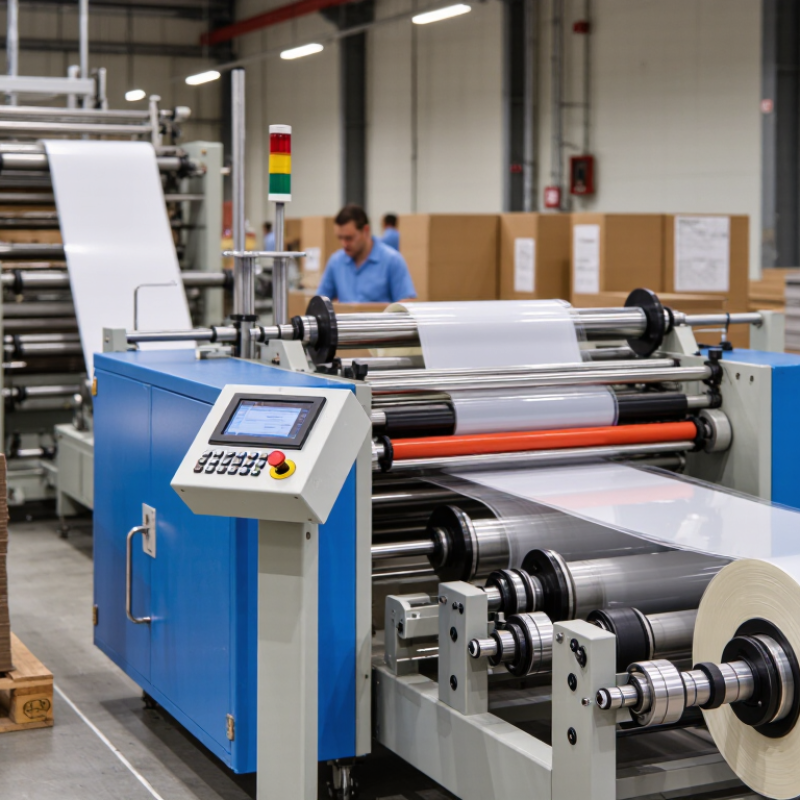
What Is an Automatic Flute Laminator Machine?

Key Components of an Automatic Flute Laminator

What Is an Automatic Flute Laminator Machine?

Key Components of an Automatic Flute Laminator

An automatic flute laminator bonds a printed top sheet to corrugated board. Its feeder separates sheets and feeds them into the machine. A glue unit then applies an even adhesive film to the flute tips. Small changes in glue thickness can affect bonding and cause visible squeeze-out.

The alignment system registers the printed sheet with the board below it. Sensors and side guides help correct drift before the sheets meet. A pressure belt or roller section holds them together while the adhesive sets. The delivery unit stacks finished sheets for later conversion. FAO’s Global Forest Products Facts and Figures 2022 reports about 401 million tonnes of global paper and paperboard production that year. That figure covers many grades, not just corrugated board, but it shows the scale of paper-based manufacturing.

How the Automatic Lamination Process Works

An automatic flute laminator bonds a printed top sheet to a corrugated board sheet. The process begins when operators load the two materials into separate feeders. Suction belts or rollers guide each sheet toward the laminating section. Sensors help control timing and alignment.

A metering system applies adhesive to the corrugated board, often across its flute tips. The printed sheet then meets the board at a controlled joining point. Side guides and registration sensors help keep edges aligned. Small shifts can still happen, especially when sheets vary in size or curl slightly. That part needs attention.

Pressure rollers bring the layers together and press out uneven contact. The joined sheets move along a conveyor while the adhesive sets. Some machines use a longer delivery section to support the bond before stacking. Operators check the first sheets for skewed edges, bubbles, and weak adhesion, then adjust feed timing or pressure if needed. Watch the corners closely. They often reveal a problem before the center does.

Automation makes the sequence faster and more consistent, but it does not remove every variable. Board moisture, adhesive amount, and sheet condition all affect the result. A practical setup may need small adjustments during a run. That is normal, though it can be easy to overlook.

How an Automatic Flute Laminator Works

The bars show the sequence of the main lamination stages.

Sheets are fed into the machine, adhesive is applied, and the liner and fluted board are aligned. Pressure bonds the layers together; the laminated sheet is then delivered for further handling. The numbers represent process order, not measured time or machine performance.

Materials and Board Types It Can Handle

An automatic flute laminator bonds printed face paper to corrugated board. Its usable range depends on the feeder, pressure system, adhesive, and board thickness. It commonly handles coated or uncoated paper, including litho-printed sheets, when the surface and moisture level suit the adhesive. Very glossy varnish, heavy ink coverage, or uneven coatings can weaken the bond. A quick peel test on a sample helps. Not glamorous, but practical.

Board options may include single-wall E-, B-, or C-flute sheets, while some machines accept selected double-wall grades. Exact flute profiles and maximum caliper vary, so check the machine specification instead of trusting a broad label like “corrugated board.” The sheet should be flat, clean, and consistently cut; crushed flute edges can cause registration errors or weak spots. That matters. Recycled liners may absorb adhesive differently from virgin-fiber sheets, so settings can require adjustment. Run a short trial with the actual paper, ink, and board before production. It can reveal curl or slippage early. Even experienced operators can misjudge a new stock, and that is worth admitting.

Common Uses in Packaging Production

An automatic flute laminator bonds a printed sheet to corrugated board, keeping the image aligned with the flutes beneath it. In packaging production, converters use it for retail-ready cartons, shelf displays, gift boxes, and protective shipping packs. The process helps printed graphics stay flat while the board retains its cushioning strength. A steady feed can also reduce handling between printing and converting. Small alignment errors still matter.

FEFCO’s 2023 European Database reports approximately 41.1 billion square metres of corrugated board production in Europe in 2022. This regional figure illustrates the scale of demand for consistent board converting, though it does not measure laminator use directly. On a production line, operators commonly adjust sheet feed, adhesive application, and pressure for different board grades. These settings affect bond strength and the risk of warping. Thin liners may wrinkle; excessive adhesive can slow drying. Automation improves repeatability, but it cannot correct poor board quality or careless setup. That part is easy to underestimate.

What Is an Automatic Flute Laminator Machine? — Common Uses in Packaging Production

Common Use Typical Packaging Product Materials Commonly Joined Purpose of Lamination Production Considerations
Retail product packaging Printed folding-style cartons mounted onto corrugated board Printed paperboard or coated paper top sheet and corrugated board Combines a printable outer surface with the cushioning and stiffness of corrugated board. Match sheet dimensions and feeding direction; control adhesive application to help prevent bubbles, wrinkles, or edge lift.
Consumer electronics packaging Protective cartons for small appliances, accessories, and electronic goods Printed top sheet and single-wall corrugated board Supports clear product graphics while providing a protective corrugated structure. Check board caliper, sheet alignment, and bond quality, especially where the package will be die-cut and folded.
Food and beverage secondary packaging Outer cases, display packs, and transport packaging Printed paper sheet and corrugated board Provides a printable exterior for branding and product information on a corrugated pack. Packaging materials and inks should be suitable for the intended application; the machine process alone does not make packaging food-safe.
Point-of-sale displays Retail display panels, counter units, and promotional stands Printed or colored paper sheet and corrugated board Creates a display surface with graphics mounted to a lightweight structural substrate. Maintain consistent registration across large sheets and confirm the board grade meets the display’s structural needs.
Shipping and e-commerce cartons Printed outer panels or branded corrugated shipping boxes Printed liner or top sheet and corrugated board Adds printed graphics or information to corrugated packaging while retaining its board construction. Allow for the carton’s converting layout, including trim, crease, and glue areas; verify that laminated sheets feed reliably downstream.
Heavy-duty or large-format packaging Large cartons, equipment packaging, and protective panels Printed sheet and selected single-wall or double-wall corrugated board Joins a graphic surface to a thicker board used for larger or more demanding packs. Confirm that the laminator can handle the combined sheet size and board thickness; settings depend on the machine and materials.

How it works: An automatic flute laminator feeds a printed top sheet and corrugated board, applies adhesive, aligns the layers, and presses them together. Suitable materials, machine capability, and operating settings vary by job and equipment.

Operating Factors That Affect Performance

What Is an Automatic Flute Laminator Machine?

Operating Factors That Affect Performance

An automatic flute laminator bonds a printed sheet to corrugated board through feeding, adhesive application, alignment, and pressure. Its output depends on more than the machine’s rated speed. Small changes in paper moisture or board flatness can affect registration and bond strength.

Keep the sheets square at the feeder. A slight skew can leave a visible white edge or cause uneven trimming later. Adhesive coverage matters, too: too little may create loose spots, while excess glue can squeeze out at the edges. The correct amount depends on the paper, flute profile, and adhesive system. Check actual samples rather than relying on a fixed setting.

Speed and roller pressure must work together. If the line runs faster than the sheets can register, misalignment becomes more likely. Too much pressure may flatten the flutes; too little can leave weak contact. Watch for lifted corners, glue marks, and crushed board during test runs. Small adjustments help. Still, operators can mistake a temporary paper variation for a machine fault. Record settings and material conditions, then change one factor at a time. That habit is not foolproof, but it makes troubleshooting more reliable.

FAQS

What does an automatic flute laminator do?

It bonds printed face paper to corrugated board using adhesive, alignment, and pressure.

Which paper types can it handle?

It commonly handles coated or uncoated paper, including litho-printed sheets. Surface condition matters.

Can glossy or heavily printed sheets cause problems?

Yes. Heavy ink, glossy varnish, or uneven coatings may weaken the bond. Try a peel test.

Which corrugated boards are suitable?

Many machines handle single-wall E-, B-, or C-flute board. Some accept selected double-wall grades. Check the machine specifications.

How should sheets look before feeding?

Keep them flat, clean, and consistently cut. Crushed flute edges can cause weak spots or alignment errors.

Why test recycled liners before production?

They may absorb adhesive differently from virgin-fiber sheets. A short trial can reveal curl or slippage.

What can cause poor bonding or glue marks?

Too little adhesive may leave loose areas; excess glue can squeeze out. Check samples, not just preset values.

How do speed and pressure affect results?

Excessive speed can disrupt registration, while too much pressure may flatten flutes. Too little pressure can leave weak contact.

What should operators watch during test runs?

Look for lifted corners, glue marks, crushed board, or white edges. Change one setting at a time and record material conditions. Even experienced operators can misjudge a new sheet.

Conclusion

An Automatic Flute Laminator Machine bonds printed sheets to corrugated or other fluted boards to create stronger, more polished packaging materials. Its main components typically include sheet feeders, board-feeding and alignment systems, adhesive application units, laminating rollers, and a delivery section. Together, these parts guide the materials through the machine and help maintain accurate positioning and consistent bonding.

During operation, the machine applies adhesive to the board or sheet, aligns the layers, and presses them together before delivery. It can handle a range of paper stocks, printed sheets, and flute board types, depending on its configuration. Common uses include cartons, display packaging, protective boxes, and other packaging products. Performance is affected by factors such as material thickness, sheet alignment, adhesive amount, machine speed, and roller pressure. Proper setup and regular checks help support reliable lamination and reduce waste.

Oliver

Oliver

Oliver is a seasoned marketing professional with a wealth of expertise in driving brand awareness and engagement. With a deep understanding of our company's product offerings, he consistently delivers high-quality content that enriches our professional blog. His insights not only shed light on......

有兴趣合作?

给我发一封邮件,我会尽快回复你。

发送邮件