
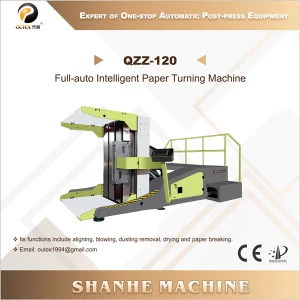
Deploying European-certified, high-speed automated paper feeders and turners calibrated specifically for Ethiopian humidity variances, high-altitude pneumatic stability, and continuous multi-shift carton conversion lines.
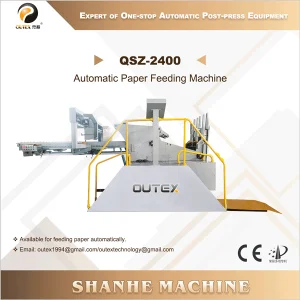
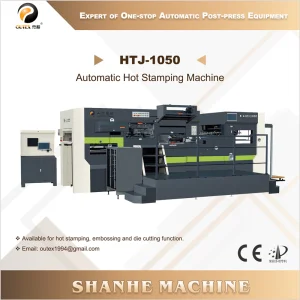
As East Africa's second most populous nation and one of the continent's fastest-growing economies, Ethiopia is undergoing an aggressive industrial transition. Under Homegrown Economic Reform Agenda 2.0, state-backed manufacturing incentives have catalyzed rapid growth across the agricultural export, pharmaceutical, food and beverage, and consumer packaged goods (CPG) sectors. Consequently, printing and packaging convertors in industrial corridors such as Bole Lemi, Kilinto, Hawassa, Dire Dawa, and the Eastern Industrial Zone (Dukem) face unprecedented demand for high-volume, defect-free paper and cardboard conversion.
Historically, printing and box-making facilities across Addis Ababa relied on manual paper feeding or legacy semi-automatic post-press machinery. This reliance created severe structural bottlenecks: high labor dependency, frequent double-sheet feeding leading to costly die-cutter smash ups, inconsistent register registration on offset presses, and excessive paper waste during high-altitude thermal fluctuations. Modernizing to automated paper feeding machinery is no longer a luxury—it is an operational necessity to sustain profitability.
Ethiopian regulatory authorities and global brands operating locally (such as Unilever, Nestle, and local pharmaceutical giants) enforce stringent ISO and CE package structural integrity standards. Paper feeding machines serve as the critical gateway for downstream conversion—ensuring precise sheet positioning for flute laminators, hot foil stamping presses, UV spot coaters, and automatic die cutters.
Understanding the technical architecture of an automated paper feeder allows procurement teams and plant engineers in Ethiopia to select equipment capable of handling diverse substrates—from 60 gsm light paper to 600 gsm solid board and E/F/B flute corrugated sheets.
| Sub-System Component | Technical Specification & Mechanism | Operational Benefit for Ethiopian Plants |
|---|---|---|
| High-Speed Suction Feeder Head | 4 Pick-up suctions + 4 Delivery suctions with adjustable tilt & depth angles. Driven by synchronized cam mechanisms. | Prevents sheet scratching on high-gloss printed stock; handles warped, recycled, or humidified paper effortlessly. |
| Ultrasonic Double-Sheet Detector | Non-contact acoustic waveform analysis calibrated to paper density variance (60–2000 gsm). | Instantly stops feed stream upon double-sheet detection, preventing mechanical damage to expensive die-cutting plates. |
| Continuous Non-Stop Pre-Loader | Auxiliary pile-hoist system with main and secondary lifting racks governed by optical photo-sensors. | Eliminates machine downtime during pile changes, increasing net shift output by up to 25% in 24/7 industrial plants. |
| Side-Lay & Front-Lay Registration | Dual-purpose pull/push side lays with optical fiber sensing and micro-adjustment precision (±0.05 mm). | Guarantees pinpoint registration accuracy required for high-end cosmetics, tobacco, and pharmaceutical packaging. |
| Servo-Driven Transmission Core | Independent multi-axis Motion Controller linked via EtherCAT protocol with Panasonic/Siemens servo drives. | Reduces mechanical gear wear by 40%, lowers energy consumption, and enables smooth speed ramps up to 12,000 sheets/hr. |
Multi-zone air blowers with independent pressure regulators ensure effortless separation of static-charged or sticky paper stocks common in tropical East African environments.
Engineered with reinforced steel guide rails supporting up to 1,500 kg pile loads, minimizing structural deflection and vibration during high-speed lifting cycles.
Multilingual touchscreens (featuring English & Amharic operational prompts) allowing operators to store up to 500 job recall profiles for rapid job changeovers within 5 minutes.
Different industrial sectors in Ethiopia demand specialized paper feeding capabilities. Below is an evaluation of how automated paper feeders integrate into local supply chains to maximize throughput and profitability.
Ethiopia is a primary exporter of specialty coffee, cut flowers, oilseeds, and fresh produce. Heavy-duty corrugated master cartons require top-sheet lamination. Automatic paper feeding machines integrated with flute laminators ensure smooth delivery of printed liner sheets (200-450 gsm) onto single-wall or double-wall corrugated substrates without surface marring.
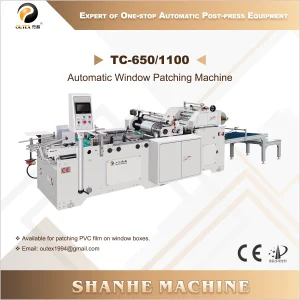
With the construction of the Kilinto Industrial Park dedicated to pharmaceutical manufacturing, local box converters must produce tamper-evident, high-precision folding cartons. Paper feeding units equipped with micro-registration systems ensure exact alignment for die-cutting, embossing, and window patching processes.
The Ethiopian Ministry of Education's continuous book printing initiatives require large-scale commercial print houses in Addis Ababa to run high-speed sheet-fed offset presses and varnishing lines. Automatic paper feeders dramatically streamline pre-press sheet preparation and post-press UV coating feeding.
Traditional Ethiopian garment exporters and luxury beverage brands (e.g., premium Tej honey wine and Ethiopian coffee gift sets) utilize thick greyboard laminations. Modern paper feeding equipment feeds heavy greyboard sheets (up to 3.0mm thickness) without jamming or suction loss.
A standalone paper feeding machine delivers maximum value when synchronized with a full post-press production line. We engineer customized macro solutions designed to minimize manual labor touching points, reduce energy consumption, and optimize spatial footprints for Ethiopian plant operators.
By linking paper feeding modules with turning, laminating, die-cutting, and gluing machinery, factory owners achieve true Industry 4.0 operational efficiency:
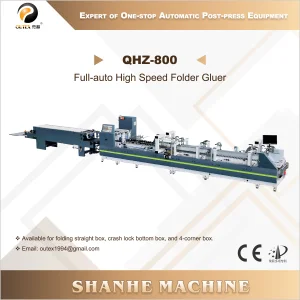
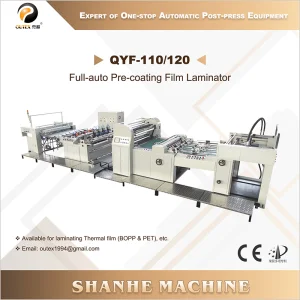
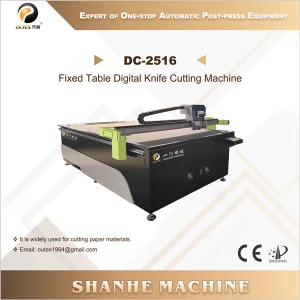
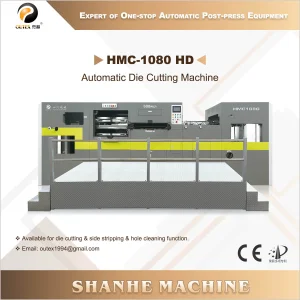
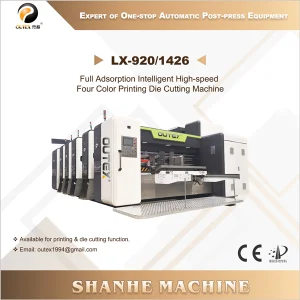
Explore our global range of heavy-duty laminators, die-cutters, folder gluers, and window patchers currently serving leading print plants across East Africa and worldwide.
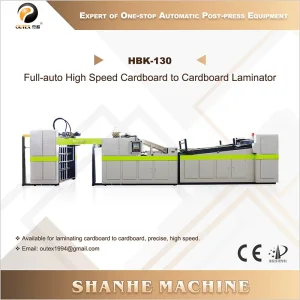

As artificial intelligence and Internet of Things (IoT) sensors permeate printing machinery, paper feeders are evolving from purely mechanical devices into intelligent edge-computing nodes.
Replacing mechanical front lays with high-speed CMOS matrix cameras that scan sheet edges in real-time, correcting angular skew via dynamic servo-driven belts within 3 milliseconds.
Embedded 5G cloud modules transmit real-time suction pressure, motor torque, and temperature metrics to our engineers, enabling predictive maintenance before downtime occurs in Ethiopian plants.
Regenerative servo drives capture kinetic energy during motor braking cycles and convert it back into electrical power, cutting energy consumption in large plants by up to 15%.
Direct factory sourcing of heavy industrial machinery requires careful evaluation of export credentials, international sea freight routing, customs clearing protocols in Djibouti/Modjo Dry Port, and localized after-sales technical commissioning.
As Ethiopia is landlocked, over 95% of industrial machinery imports transition through the Port of Djibouti before transport via the Ethio-Djibouti Railway or heavy container trucks to the Modjo Dry Port. Our dedicated global export logistics team ensures:
Guangdong Shanhe Industrial Co., Ltd. (SHANHE MACHINE) maintains a 30-year manufacturing heritage. To ensure maximum uptime for Ethiopian buyers, we provide a complete lifecycle service guarantee:
Get precise engineering and procurement answers regarding machine installation, local compatibility, shipping timelines, and custom configuration options.
Contact Guangdong Shanhe Industrial Co., Ltd. today. Share your sheet dimensions, substrate weights, and target output speed, and our senior engineers will deliver a tailored paper feeding line design and competitive quotation within 24 hours.