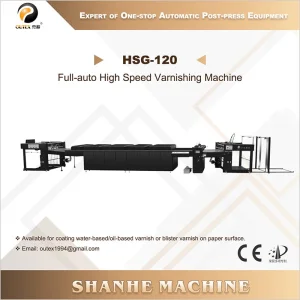
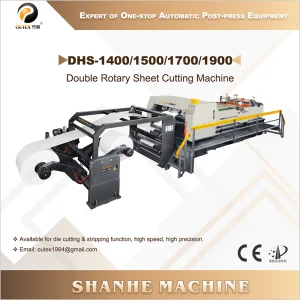
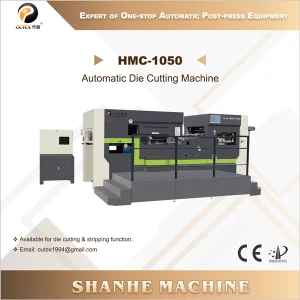
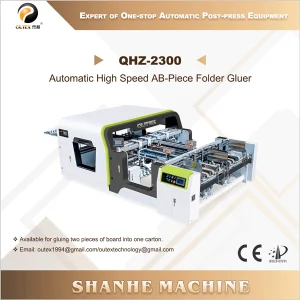
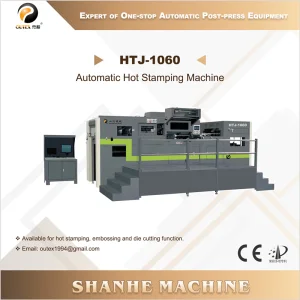
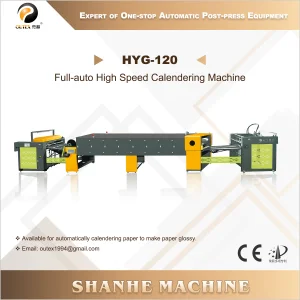
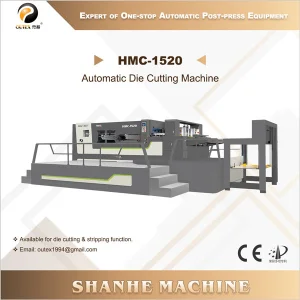
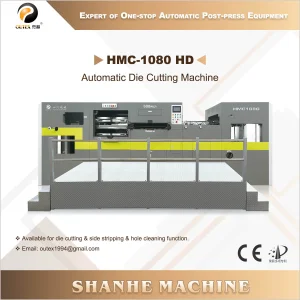
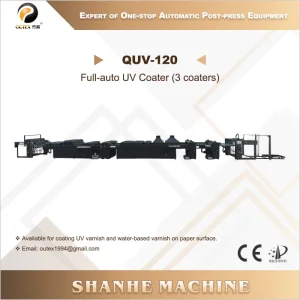
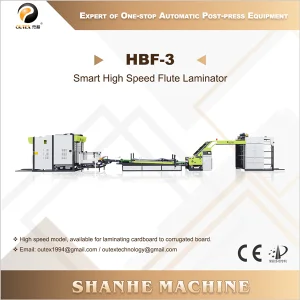
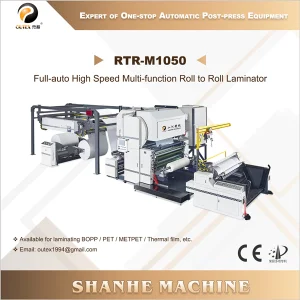
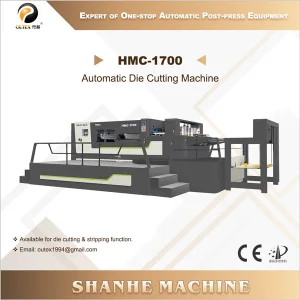
High-precision CE certified systems optimized for continuous substrate coating, die-cutting, varnishing, and post-press automated packaging lines.
Quantitative operational thresholds delivered by advanced closed-chamber doctor blade coating platforms across high-speed convertor production environments.
Whitepaper-level analysis of fluid dynamics, blade wear mechanics, and chamber enclosure design in high-precision web coating systems.
Enclosed dual-blade chambers isolate volatile coating fluids from atmosphere. By maintaining internal fluid pressure, they eliminate micro-foaming, prevent solvent evaporation, and maintain consistent fluid viscosity across 24/7 web operations.
Precision-engineered chamber geometry manages fluid hydraulic pressure against the reverse doctor blade. This prevents liquid hydraulic lift at speeds exceeding 500 m/min, enforcing uniform volumetric transfer to the ceramic anilox or metering roll.
Utilizing micro-refined carbon steel, ceramic-coated, and titanium alloy blade tips with bevel angles tailored between 15° and 45°. Optimal pneumatic clamping guarantees linear contact pressure without blade edge deflection.
Technical Insight: Theoretical dry film thickness (DFT) stability relies on maintaining the equilibrium between doctor blade contact loading (N/m) and hydrodynamic fluid pressure ($P_h$). CE-marked machinery integrates automated pneumatic load feedback to offset physical blade wear over extended runs.
| Coating System Type | Viscosity Range (mPa·s) | Wet Film Thickness (µm) | Max Line Speed | Primary Industrial Use |
|---|---|---|---|---|
| Open Reservoir Doctor Blade | 50 – 500 | 10 – 100 | 200 m/min | Paperboard packaging, basic gloss varnishing |
| Chambered Dual-Blade System | 10 – 1,500 | 2 – 60 | 800 m/min | Flexible packaging, barrier coatings, high-speed UV |
| Micro-Gravure Doctor Blade | 1 – 200 | 0.5 – 15 | 300 m/min | Optical films, battery separators, solar PV foils |
| Direct Roll with Reverse Blade | 500 – 5,000 | 20 – 250 | 150 m/min | Heavy silicone release papers, pressure adhesives |
A rigorous regulatory evaluation framework for European Union market access, operational safety, and ATEX explosion-proof engineering.
Mandates comprehensive risk assessment (EN ISO 12100), dual-circuit safety interlocks, physical guarding around rotating nip rollers, and emergency braking systems activated under 0.2 seconds.
Requires total electromagnetic compatibility (EMC) isolation, IP54+ control enclosure ratings, continuous ground fault protection, and thermal monitoring for high-frequency drive motors.
Essential for solvent-based coating operations. Involves Zone 1/Zone 2 explosion-proof electrical assemblies, spark-resistant pneumatic blade adjusters, and static elimination bars.
Harmonized safety standard explicitly covering printing and paper converting machinery, specifying ergonomic loading procedures for heavy doctor blade chambers and washup systems.
The evolutionary trajectory of doctor blade coating systems driven by machine vision, edge-computing analytics, and self-optimizing blade pressure dynamics.
Inline infrared and beta-transmission sensors stream real-time wet/dry film thickness data to the central control unit. Non-destructive laser diffraction arrays instantly flag micro-streaking and coat-weight deviations across the entire cross-web profile.
Next-gen pneumatic and servo-actuated doctor blade holders dynamically alter blade angle and linear contact pressure in response to real-time telemetry. This offsets edge wear and thermal expansion, guaranteeing zero quality drop off during 72-hour continuous production runs.
Smart doctor blade chambers incorporate internal ultrasonic nozzles and programmed fluid switching valves. Fully automated solvent/water rinse cycles execute in under 4 minutes during batch transitions, dropping VOC exposure and fluid waste by up to 60%.
Tailored doctor blade coating integration schemes across key global manufacturing sectors requiring ultra-precise chemical deposition.
High-speed application of PVDC, EVOH, and water-based barrier coatings onto BOPP and PET films. Chambered doctor blade systems yield zero pinholes and ultra-consistent oxygen/moisture barrier levels.
Precision micro-gravure doctor blade systems depositing graphite slurry and cathode chemistry onto copper and aluminum current collector foils with sub-micron thickness tolerances.
Applying aqueous barrier dispersion coatings directly to virgin and recycled paperboard substrates, replacing traditional polyethylene (PE) extrusion lamination for recyclable packaging.
Leveraging Guangdong's advanced industrial automation infrastructure to deliver cost-competitive, highly durable doctor blade coating machinery globally.
Modern production campuses (e.g., Shantou industrial zones) utilize 5-axis CNC machining centers to mill doctor blade chamber bodies from solid aluminum alloys, eliminating structural flex over 3,000mm web widths.
Direct supply partnerships with tier-one European and domestic automation providers (Siemens, Schneider, Festo, NSK) guarantee worldwide spare parts interchangeability and high MTBF ratings.
Standardized modular assembly methodologies allow custom-configured coating and post-press finishing lines to complete FAT (Factory Acceptance Testing) within 60 to 90 days from engineering sign-off.
Strategic purchasing criteria for plant managers and procurement executives seeking optimal ROI on converting equipment capital expenditure.
Evaluating initial machine investment against long-term maintenance metrics. Closed-chamber doctor blade systems yield immediate OpEx savings by cutting solvent waste by 30% and reducing blade replacement frequency.
Mandatory FAT (Factory Acceptance Testing) and SAT (Site Acceptance Testing) utilizing customer-specific substrates, coatings, and targeted run speeds before final shipment authorization.
Standardized procurement packages including pre-calibrated blade holders, ceramic seals, pneumatic actuators, and replacement end-seals to prevent unscheduled line shutdowns.
Comprehensive technical support, site commissioning, and real-time remote telemetry options provided to plant operations worldwide.
Senior field engineers dispatched globally to execute mechanical setup, precision alignment, PLC integration, and full operator training programs in English, Spanish, or Chinese.
Secure cloud connectivity enables engineers to diagnose drive anomalies, PLC program logic, and sensor faults remotely, resolving up to 85% of operational inquiries instantly.
Machine builds tailored to regionally specific electrical codes and workplace safety laws including UL/CSA standards for North America and CE marking for the European Economic Area.
Expert insights answering critical engineering, regulatory compliance, and operational queries regarding doctor blade coating platforms.
An open doctor blade system exposes the liquid coating material in a open fountain or pan, subjecting solvents to continuous evaporation, viscosity drift, micro-foaming, and particulate contamination. A closed chamber doctor blade system utilizes a fully enclosed housing with dual blades (a metering blade and a retaining seal blade). This setup maintains constant fluid pressure, prevents solvent evaporation, eliminates air entrainment, and allows consistent coat-weight application at vastly elevated line speeds (up to 800 m/min).
CE Certification verifies that the machinery complies fully with European Union health, safety, and environmental protection standards—specifically the Machinery Directive (2006/42/EC), Low Voltage Directive (2014/35/EU), and EMC Directive (2014/30/EU). For systems applying solvent-based coatings, CE marking also encompasses ATEX Directive (2014/34/EU) compliance to prevent electrical or mechanical spark ignition in volatile atmospheric zones.
Profile selection depends directly on coating viscosity, substrate texture, and required wet film thickness. Lamella blades maintain a constant contact area throughout their lifespan, making them ideal for high-precision flexographic printing and ultra-thin barrier coatings. Beveled blades (e.g., 15°–45°) provide superior rigidity under heavy viscous hydraulic pressures. Square blades are primarily used as retaining/wiping seals on trailing chamber positions.
Manual blade clamping is prone to uneven operator tightening, leading to blade waviness, localized edge wear, and cross-web film thickness variation. Automated pneumatic systems apply uniform, regulated air pressure along the entire length of the blade holder. Closed-loop controls automatically increase loading force incrementally as the blade tip wears, maintaining identical contact geometry throughout long production runs.
Exported machinery includes comprehensive technical documentation, site planning schematics, and factory acceptance test (FAT) reports. Manufacturers provide overseas dispatch of field engineers for installation, testing, and operator training. Furthermore, remote IoT telemetry modules allow factory technicians to troubleshoot electrical and software issues online, while express dispatch programs deliver critical consumables (end seals, blade strips, spare pumps) within 48 to 72 hours.
Explore our full line of roll-to-roll laminators, high-speed folder gluers, UV coaters, and automated post-press converting machinery.