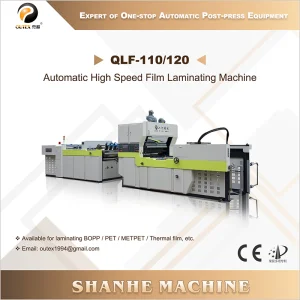
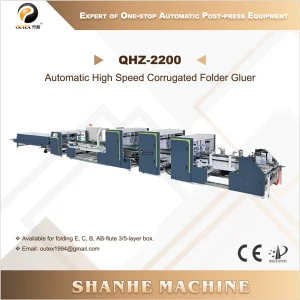
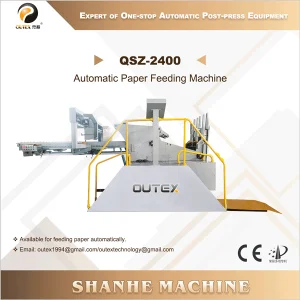
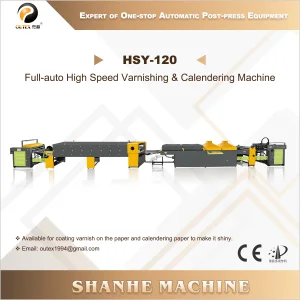
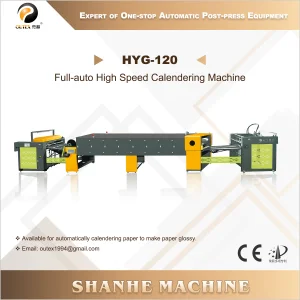
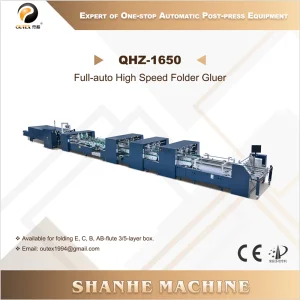
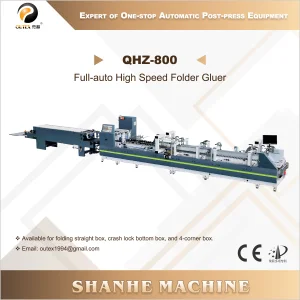
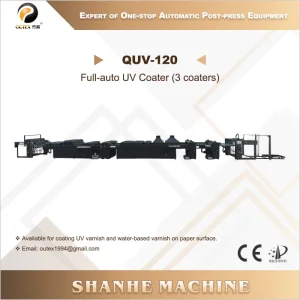
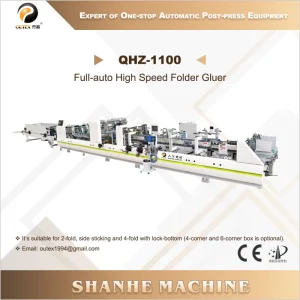
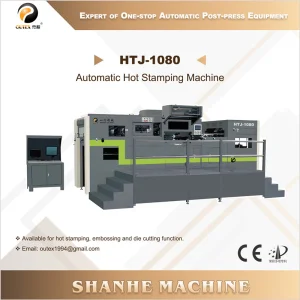
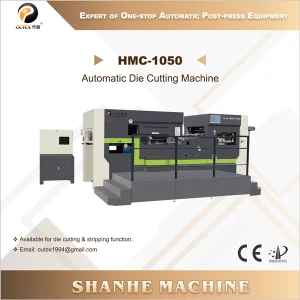
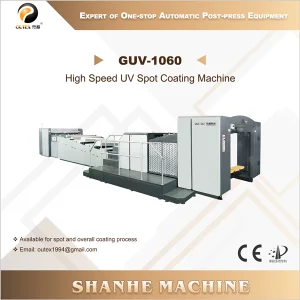
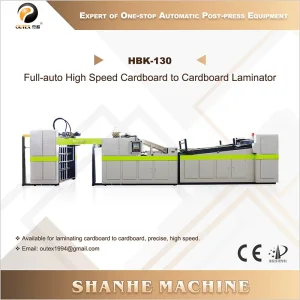
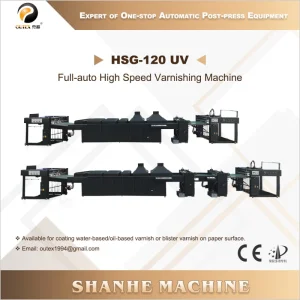
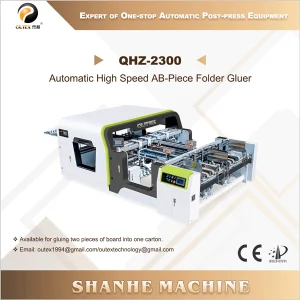
Explore our core engineering equipment for folding, gluing, lamination, and UV varnishing.
Analyzing post-press automation trends, energy efficiency shifts, and global manufacturing benchmarks.
The global commercial printing and packaging sector is undergoing a massive structural transformation driven by sustainability requirements, shorter production runs, and demand for premium tactile finishes. As brand owners battle for retail shelf space, post-press finishing—specifically UV varnishing and calendering—has evolved from an optional decorative treatment into an essential functional and aesthetic requirement. A China UV varnishing machine supplier standing at the forefront of this industrial shift must provide scalable, high-throughput systems capable of precise chemical polymerization under demanding thermal constraints.
Modern UV varnishing machinery combines chemical engineering, precision optoelectronics, and mechanical automation. The transition from legacy solvent-based coatings to high-solids UV-curable monomers and oligomers has reduced volatile organic compound (VOC) emissions by over 98% across leading European and North American packaging plants. Furthermore, the integration of LED-UV curing technology operating at 385–395 nm wavelengths has cut energy consumption by up to 60% compared to traditional medium-pressure mercury vapor lamps.
Key Industry Takeaway: Modern packaging operations require dual-capability UV varnishing machines that handle overall continuous varnishing alongside high-precision spot UV coating with registration tolerances within ±0.05 mm at line speeds reaching 12,000 sheets per hour.
Examining mechanical stability, fluid metering chemistry, and optic curing modules.
Utilizes ceramic anilox rollers with laser-engraved cell volumes (BCM ratings tailored from 4.0 to 12.0) combined with enclosed chambered doctor blades. This guarantees uniform liquid varnish transfer down to ±0.2 g/m² film thickness consistency across 1080mm sheet widths.
Combines infrared (IR) pre-heating modules with multi-lamp UV curing zones. Pre-heating reduces coating viscosity for optimal self-leveling before high-intensity ultraviolet irradiation triggers instantaneous cross-linking polymerization.
Constructed with single-piece cast iron frames (HT300 grade) aged electro-thermally to eliminate internal stress. Ensures vibration-free high-speed continuous operation, protecting critical impression cylinders and gripper shafts from mechanical fatigue.
| Performance Parameter | Standard Model Specifications (e.g., GUV-1060 / HSG-120UV) | Industrial Heavy-Duty Series |
|---|---|---|
| Max Sheet Size (mm) | 1040 x 740 mm / 1200 x 920 mm | 1450 x 1080 mm |
| Paper Stock Range (g/m²) | 90 - 600 g/m² (Cardboard & Corrugated) | 80 - 800 g/m² / E, B, F Flute |
| Max Operational Speed | 8,000 - 10,000 sheets/hour | 12,000 sheets/hour |
| UV Curing Source | Variable Power Medium Pressure Mercury / LED-UV Options | Hybrid LED-UV + Arc UV Smart Control |
| Coating Registration Tolerance | ±0.15 mm (Overall) / ±0.08 mm (Spot) | ±0.05 mm (Optical Sensor Guided) |
| Total Connected Load (kW) | 45 - 65 kW | 75 - 110 kW |
Deploying UV finishing machinery across diverse packaging ecosystems with regional engineering support.
A premier China UV varnishing machine factory provides tailored machinery configurations to match regional market demands, environmental regulations, and substrate variations across international territories.
In high-end cosmetics packaging, surface defect rates must remain below 0.01%. Modern UV coating lines utilize high-gloss UV varnish combined with tactile soft-touch or matte spot varnishing. The inclusion of dust-removal ionization bars and double-sheet detector sensors prevents microscopic surface inclusions prior to liquid varnish application.
Pharmaceutical packaging demands strict anti-counterfeiting elements alongside scuff-resistant protective layers. Specialized UV spot coaters apply security-reactive UV varnishes and textured tactile raised coatings (Braille and embossed micro-patterns) in a single inline pass, meeting stringent WHO and regional healthcare packaging standards.
As corrugated post-print packaging expands globally, high-speed UV varnishing machines process thick laminated boards up to 3mm. Water-resistant, high-coefficient-of-friction (COF) non-slip UV coatings are applied to prevent box slippage during transit and automated warehousing stack management.
Compliance & Quality Guarantee: Our machinery lines hold full CE Certification, comply with EU Machinery Directive 2006/42/EC, and feature UL-certified electrical control cabinets (Siemens PLC, Schneider electrics) to ensure seamless safety compliance in regulated international markets.
Embracing Industry 4.0, real-time AI optical inspection, and zero-solvent waterborne UV chemistry.
Integrated sensor arrays monitor bearing vibration, roller thermal dissipation, and lamp curing degradation in real-time. Data feeds directly into cloud monitoring platforms to schedule maintenance prior to component failure, ensuring 99.5% operational uptime.
Line-scan cameras capture 100% of output at 12,000 sheets/hour. Machine-learning algorithms instantly detect coating pinholes, orange peel, or register misalignments, automatically adjusting roller pressure and fluid delivery in under 50 milliseconds.
Engineering equipment optimized for eco-friendly bio-based UV monomers derived from renewable plant oils. Features titanium-coated fluid pathways and stainless steel doctor chambers to prevent chemical corrosion and oxidation.
In-depth technical explanations regarding procurement, machine operation, troubleshooting, and ROI.
An overall UV coating machine applies a continuous coat of protective liquid varnish across the entire surface of the paper sheet using a flood roller system. In contrast, a spot UV varnishing machine uses a flexographic plate, offset blanket cylinder, or inkjet printing heads to apply UV varnish only to targeted design areas (such as logos, images, or typography). Modern machines like the GUV-1060 series integrate both functions into a single modular line.
Thermal control is managed via water-cooled impression cylinders and air-cooling suction systems located under the UV curing lamps. Because paper substrates (especially lightweight cardboard under 157 g/m²) can warp under intense heat, cooling plates dissipate thermal energy immediately after ultraviolet polymerization, keeping paper moisture consistent and maintaining perfect sheet lay-flat performance.
"Orange peel" results from high varnish viscosity or inadequate levelling time before UV exposure. This is corrected by activating infrared (IR) pre-heating modules and adjusting doctor blade metering pressure. "Pinholes" are caused by surface contamination, low surface energy (dynes/cm), or static electricity; our machines resolve this by integrating corona surface treaters, antistatic bars, and double-filtering chemical circulation pumps.
We provide full international technical support, including site preparation planning, engineer dispatch for installation and testing, and operator training programs. Critical wear-and-tear parts (such as gripper pads, doctor blades, UV lamps, and suction belts) are stocked in key overseas regional logistics hubs with express dispatch within 48 hours. Remote PLC diagnostics are standard across all PLC-equipped machines.
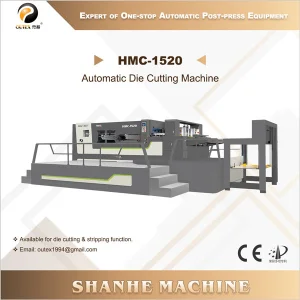
Complete post-press solutions: film laminators, calendering units, die cutters, and corrugated folder gluers.