
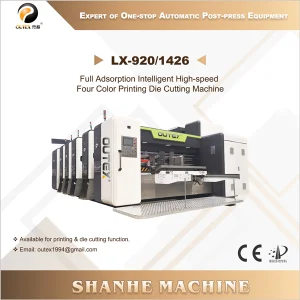
Engineered to satisfy the stringent quality standards of the Kanto and Kansai packaging sectors, ensuring optimal board rigidity, micro-flute preservation, and zero-defect converting.
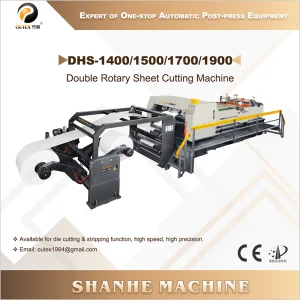
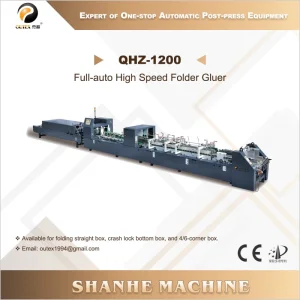
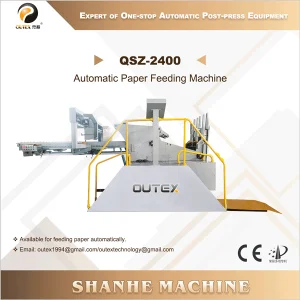
The Japanese paper packaging and corrugated converting industry is experiencing a profound paradigm shift. Renowned globally for its uncompromised pursuit of perfection—epitomized by the cultural expectation of Omotenashi (hospitality and meticulous attention to detail)—Japanese consumer packaging demands flawlessly executed print sharpness, exact die-cut registration, and zero structural deformities. However, Japanese box makers (段ボール加工メーカー) face severe structural headwinds: an aging industrial workforce, escalating raw material costs, and increasingly stringent environmental mandates regarding volatile organic compound (VOC) emissions and energy consumption.
To remain competitive, paper converters across major industrial zones—including Tokyo, Osaka, Nagoya, and Fukuoka—are rapidly replacing legacy, labor-intensive post-press machinery with intelligent, integrated flexo printing and die-cutting solutions. The goal is clear: maximize Overall Equipment Effectiveness (OEE) while minimizing manual operational intervention. Modern printing die-cutting machines supplied to Japan must deliver ultra-fast setup times, low power consumption, seamless digital workflow integration, and adherence to strict safety codes like Japanese Industrial Standards (JIS B 8401).
Our printing die cutting platforms surpass conventional mechanical linkages by adopting direct-drive servo control, dynamic vacuum transfer, and automated ink delivery mechanisms.
Utilizes multi-zone variable frequency vacuum suction along the entire sheet path. This eliminates mechanical gripper friction marks on delicate high-gloss coated liners, ensuring flat transport of severely warped corrugated boards typical in humid Japanese seasonal climates.
Each flexo printing station and die-cutting unit features dedicated absolute optical encoders linked via high-speed EtherCAT bus. Real-time phase correction allows continuous micro-adjustments during high-speed runs without stopping production.
Equipped with automatic anvil trimming mechanisms and dynamic speed compensation software. Extends polyurethane anvil cover lifespans by up to 40% while preserving crisp, burst-free fold lines on thick double-wall flute combinations.
| Performance Metric | Standard Industry Converters | SHANHE Japanese Market Edition | Operational Advantage |
|---|---|---|---|
| Feeding Accuracy | ±0.75 mm | ±0.30 mm | Zero edge trim waste on premium gift cartons |
| Ink Distribution | Single Rubber Roller System | Enclosed Chamber Doctor Blade | Rapid color cleanup; 50% lower washup solvent waste |
| Max Mechanical Speed | 150 - 180 sheets/min | Up to 250 - 300 sheets/min | Massive throughput expansion for tight delivery windows |
| Setup Memory | Manual/Basic Storage | 999+ Order Cloud/PLC Memory | 90-second automated motorized order changes |
Entering the Japanese market demands far more than basic functionality. Equipment must comply with rigorous national standardizations. Our printing die cutting machinery undergoes strict electrical, mechanical, and ergonomic customization tailored to Japanese factory environments:
We back our machinery with full lifecycle support across Japan. From initial site evaluation in Tokyo or Kobe to rapid spare parts dispatch, our technical engineering network ensures minimum Mean Time to Repair (MTTR).
Operating out of a modern 34,175 m² manufacturing center in Shantou, China, Guangdong Shanhe Industrial Co., Ltd. combines three decades of post-press production scale with high-end CNC machining accuracy.
Integrated manufacturing workflows—from raw casting stress-relief aging to final assembly—ensuring structural rigidity of die-cutting frames under 650+ tons of platen pressure.
Key transmission components, cylinder bodies, and die-cutting wallboards are processed using high-precision five-axis machining centers to maintain sub-micron tolerance control.
Delivers European and Japanese-tier converting performance at a significantly optimized total cost of ownership (TCO), allowing Japanese packaging firms to achieve rapid ROI within 18–24 months.
Our versatile printing and die cutting machines cater to specialized end-user markets demanding extreme accuracy and high aesthetic output.
Requires pristine solid color flexo printing combined with precise heavy cardboard/micro-flute rotary die-cutting. Our machinery prevents flute crushing and protects foil-laminated surfaces during high-speed converting.
Integrated four-color printing and high-tonnage creasing guarantee smooth fold edges without liner cracking, meeting the immaculate presentation standards of Ginza and Shinjuku retail outlets.
Optimized for high-volume B, C, and E-flute corrugated boxes used by Japan's expanding e-commerce logistics sector. Features automated inline stripping for clean, waste-free box blanks.
Handles heavy-duty paperboard and composite insulating materials with precise slotting and die-cutting tolerances, engineered for Nagoya and Kansai precision manufacturing supply chains.
Detailed answers addressing commercial, engineering, and logistics inquiries from packaging executives in Japan.
Explore our full suite of CE-certified post-press equipment engineered for box makers, paper converters, and packaging plants across Japan.
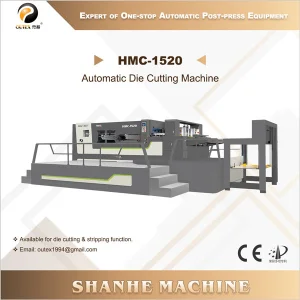
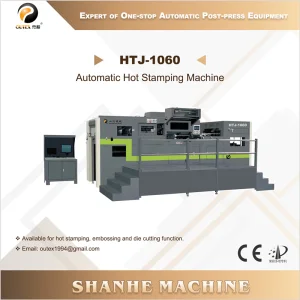
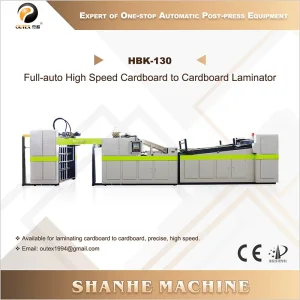
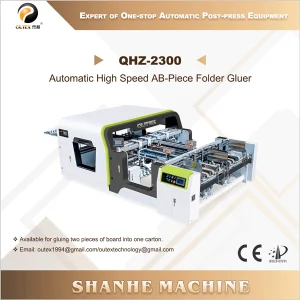

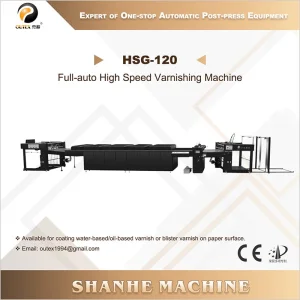
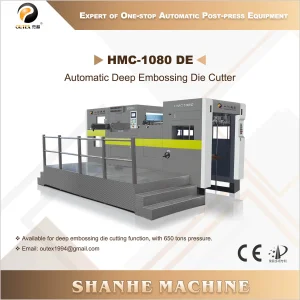
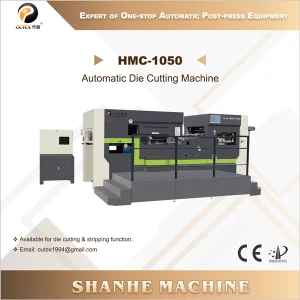
Consult with our senior post-press application engineers today. We provide full line site planning, customized equipment configurations, and rapid quotation analysis tailored for Japanese plant installations.