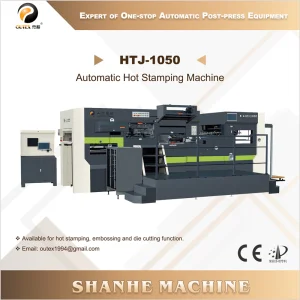
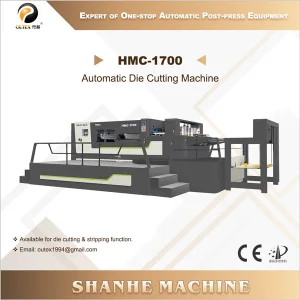
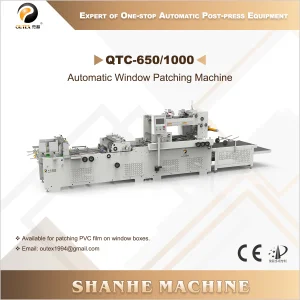
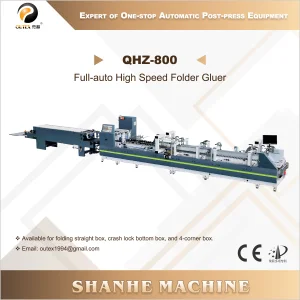
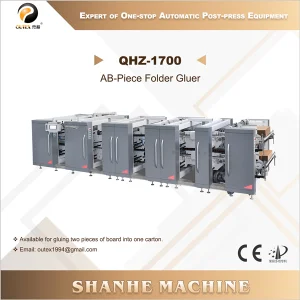
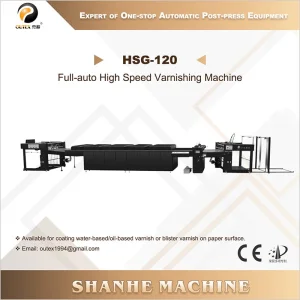
Explore our high-performance automated solutions manufactured in Shantou, China, engineered for global packaging converters.
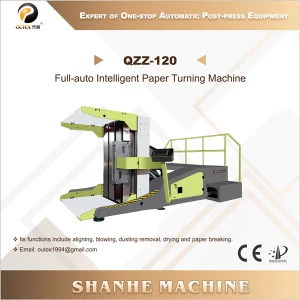
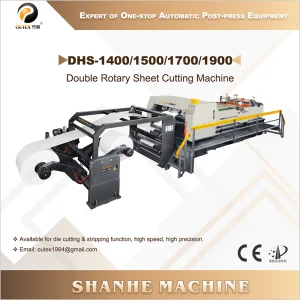
In high-speed post-press manufacturing, surface finishing serves a dual purpose: elevating visual brand impact and creating vital structural protection against abrasion, moisture, and chemical exposure.
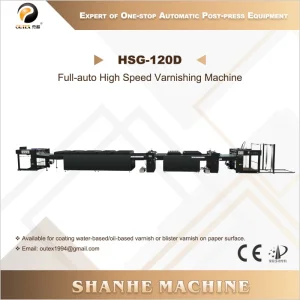
An Automatic UV Oil Varnishing Machine represents the pinnacle of surface coating engineering. Integrating precise fluid dynamics, optical polymerization, and servo-driven substrate transport, these systems apply a uniform layer of ultraviolet-curable resin or oil-based varnish across paperboard, corrugated fluting, and synthetic stocks. The shift from manual or semi-automated coaters to continuous full-auto systems has revolutionized output capacities for tier-1 packaging converters globally.
To achieve high-speed stability reaching 8,000 to 10,000 sheets per hour, industrial UV oil varnishing systems rely on synchronized sub-systems engineered for heavy-duty round-the-clock operations:
For international buyers in Europe, the Americas, and Asia-Pacific, CE certification is not merely a legal import requirement—it is a proof of structural safety, electromagnetic integrity, and operational risk mitigation.
Rigid compliance with mechanical safety mandates. Includes dual-circuit safety relays, interlocked physical guards, emergency stop buttons across all operator stations, and light curtain barriers preventing hand entry into nip-points.
Electrical safety systems certified under EN 60204-1. Incorporates isolated electrical cabinets with IP54 rating, surge protection, grounding circuits, and thermal overload switches for all heavy-duty pumps and UV ballast transformers.
Ensures high-frequency UV lamp power supplies and frequency inverters do not cause electromagnetic interference with pre-press electronics or factory IT networks, certified via rigorous immunity testing.
Ultraviolet curing units operating at high wattages (120W/cm to 200W/cm) emit high-intensity radiation and produce ozone (O³) gas as atmospheric oxygen interacts with UV-C spectrum light. CE-certified automatic UV varnishing machines integrate localized exhaust hoods with powerful centrifugal fans to draw ozone safely outside the plant facilities.
Furthermore, quartz plate shields and light-trap baffles prevent direct radiation leakage, ensuring ambient working conditions around the equipment remain within strict OSHA and EU occupational exposure limits.
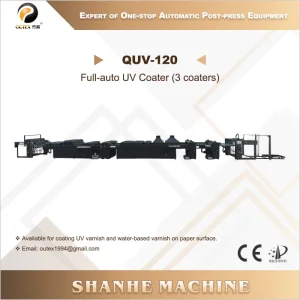
Compare operational capabilities across standard configurations of automatic UV oil varnishing machinery manufactured by certified suppliers.
| Parameter / Feature | Standard Model (HSG-120 Series) | High-Speed Heavy Duty (QUV-120 Series) | Inline Flexo Spot & Full Coater |
|---|---|---|---|
| Max. Sheet Size | 1200 x 900 mm | 1200 x 1050 mm | 1300 x 1100 mm |
| Min. Sheet Size | 360 x 290 mm | 340 x 280 mm | 400 x 300 mm |
| Paper Grammage Range | 120 - 500 g/m² | 100 - 600 g/m² | 150 - 600 g/m² + Corrugated B/E Flute |
| Max. Production Speed | 8,000 sheets/hour | 10,000 sheets/hour | 9,000 sheets/hour |
| Coating Types | Full UV, Water-based Varnish | Full UV, Oil Varnish, Matt Varnish | Spot UV, Full Coating, Blister Coating |
| Drying System | 3 x UV Lamps + 3 x IR Tubes | 4 x Variable-Power UV + 6 x IR | LED-UV / Mercury UV + Hot Air IR |
| Registration Accuracy | ±0.15 mm | ±0.10 mm | ±0.08 mm (Servo Registration) |
| Total Connected Power | 45 kW | 68 kW | 75 kW |
China has established itself as the global epicenter for post-press machinery manufacturing. Centered in industrial clusters like Shantou, Guangdong, OEM/ODM suppliers deliver unparalleled engineering value.
Chinese factories deliver machinery featuring European-grade components (Schneider electrics, NSK bearings, Omron sensors, Siemens PLCs) at 40% to 60% lower capital outlay, drastically shrinking total cost of ownership (TCO).
Modern factories in Guangdong utilize multi-axis CNC machining centers to produce heavy-duty cast iron machine frames. Structural frame stress-relieving heat treatments prevent deformation under continuous high-load production.
Chinese suppliers offer flexible structural modifications, such as integrating inline corona treaters for plastic-laminated sheets, custom dual-coating heads for primer-plus-UV applications, or extended delivery stackers.
The global packaging sector is undergoing major shifts driven by environmental regulations, energy cost volatility, and Industry 4.0 automation demand.
Traditional mercury vapor lamps operate at high temperatures and consume significant power. Modern suppliers are transitioning toward LED-UV curing heads emitting monochromatic wavelengths (e.g., 385nm or 395nm). LED-UV technology slashes electrical power consumption by up to 60%, eliminates ozone generation, and minimizes heat output, enabling seamless coating on ultra-thin 80g/m² stocks without thermal degradation.
To adhere to global sustainability mandates and food-contact packaging standards (such as Nestle Guidance and Swiss Ordinance), equipment manufacturers are optimizing fluid circulation systems to handle low-VOC, water-emulsion UV varnishes. Stainless steel fluid pipelines, peristaltic pumps, and heated reservoir tanks prevent chemical coagulation and guarantee eco-friendly compliance.
Next-generation automatic UV coaters incorporate Ethernet/IP or PROFINET protocols, feeding operational metrics directly to factory MES/ERP platforms. Optical sensors constantly measure coating gloss consistency and sheet alignment in real time. Remote diagnostic modules allow factory engineers in Shantou to troubleshoot PLC logic or servo driver parameters anywhere in the world, dramatically reducing unexpected downtime.
A structured approach for corporate procurement directors, plant managers, and technical specialists evaluating automated coating lines.
Conduct a thorough audit of target production: sheet sizes, paper weight distribution, ink type compatibility (conventional offset vs. UV offset), and gloss requirements (gloss, satin, or velvet matt finish).
Ensure factory space accommodates total line length (typically 12m to 16m), electrical service capacity (60-80 kW), compressed air lines (0.8 MPa, dry filtered air), and external ozone exhaust ducting routes.
Mandate Factory Acceptance Testing (FAT) in China before shipment. Verify registration accuracy using customer-supplied printed test sheets across maximum operating speeds.
Expert engineering answers addressing technical, regulatory, and purchasing inquiries.
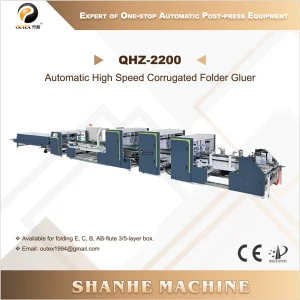
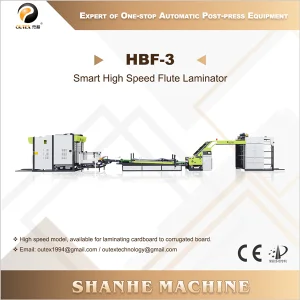
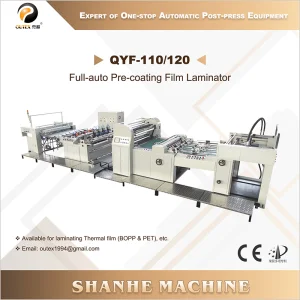
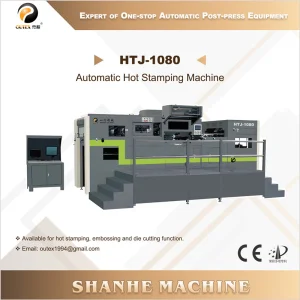
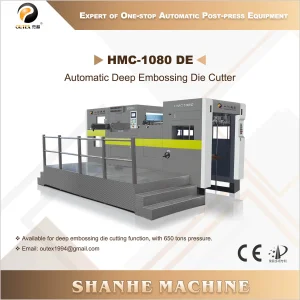
Complete your production line with die cutters, folder gluers, flute laminators, and hot stamping equipment engineered to the same CE standards.