Explore our flagship series of fully automated flute laminators, folder gluers, die cutters, and coating machines engineered to comply with strict European safety standards (CE Directive 2006/42/EC) and high-speed packaging demands.
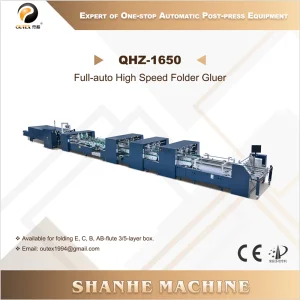
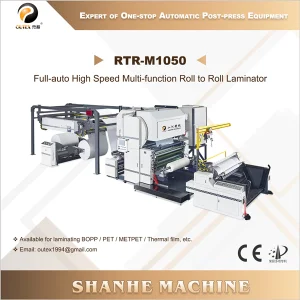
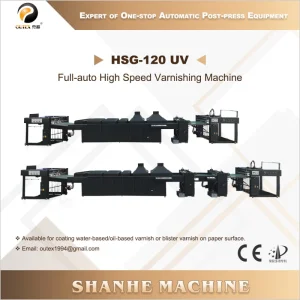
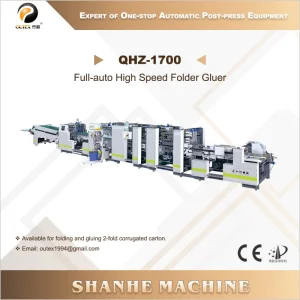
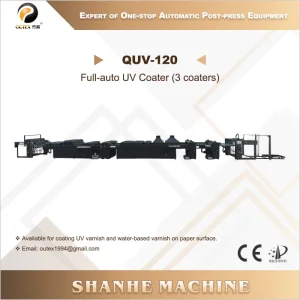
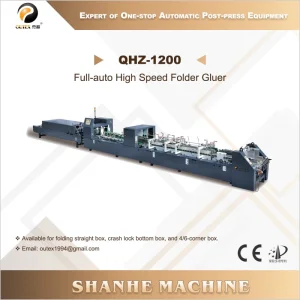
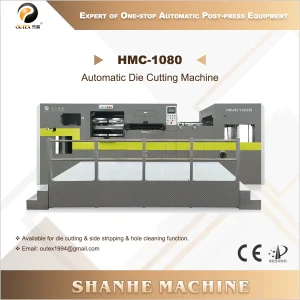
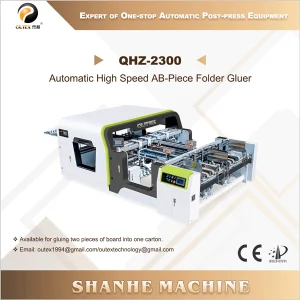
The global packaging equipment sector is undergoing a profound paradigm shift driven by the booming e-commerce market, stringent environmental regulations on single-use plastics, and heightened demands for shelf-ready retail packaging (RRP). Corrugation board laminators stand as pivotal links in the post-press paper converting ecosystem. These specialized industrial assets bond printed offset top-sheets (typically 180–450 gsm paperboards) with corrugated flutes (ranging from micro-flutes like F, E, and N flutes up to heavy structural B, C, and double-wall A/B flutes) or grey cardboard substrates.
Today's packaging converters face triple demands: high operational throughput, minimal raw material wastage, and continuous multi-shift operational safety. Modern corrugation board laminator manufacturers are compelled to re-engineer traditional mechanical push-type alignment setups into full-servo dynamic registration systems. The market demands equipment capable of accommodating lighter paper weights without inducing board warping or adhesive saturation, making precision glue roller metering and pressure-controlled conveyor pressing essential industrial specifications.
The rapid shift toward luxury cosmetic, consumer electronics, and pharmaceutical packaging has accelerated the adoption of micro-flutes (E, F, N flutes). Laminators must now maintain high structural integrity on delicate flutes as well as heavy 5-layer corrugated boards up to 8mm thickness.
Leading manufacturers integrate OPC-UA communication protocols, enabling real-time metrics transmission to enterprise MES/ERP platforms. Diagnostics report glue consumption rates, sheet counters, servo motor temperatures, and preventative maintenance schedules dynamically.
European and North American buyers prioritize compliance with EN ISO 12100 and EN 1010-1/2 safety codes. Features such as interlocked safety covers, dual-circuit safety relays, optical light curtains, and emergency brake actuators are baseline requirements for machinery imports.
Machinery security and electromagnetic compatibility (EMC) form the cornerstone of the European CE mark. For post-press packaging plants, purchasing equipment that strictly conforms to CE directives mitigates operational liability, ensures worker safety, and eliminates regulatory import barriers across the European Economic Area (EEA) and global markets adhering to ISO harmonization.
| Directive / Standard | Technical Scope | Engineering Compliance Implementation |
|---|---|---|
| 2006/42/EC (Machinery Directive) |
Essential Health & Safety Requirements (EHSR) for design & manufacturing. | Dual-channel safety circuits, zero-speed monitoring, emergency stop buttons at feeder, bridge, and delivery stacker zones. |
| EN 1010-1 & EN 1010-2 | Safety requirements for printing and paper converting machines & laminators. | Physical nip-point guards on glue rollers, interlocked safety covers, acoustic warning horns prior to line startup. |
| 2014/30/EU (EMC Directive) |
Electromagnetic Compatibility against signal noise and interference. | Shielded servo encoder cabling, industrial-grade noise filters on Variable Frequency Drives (VFDs), CE-certified PLCs. |
| 2014/35/EU (Low Voltage Directive) |
Electrical safety for equipment operating within 50–1000 VAC. | IP54 rated control cabinets, color-coded internal wiring, circuit breaker overload protection, lockable main isolator switches. |
| EN ISO 13849-1 | Safety-related parts of control systems (Performance Level PLd/PLe). | Safety PLC integration with self-monitoring contactors preventing unintended restarts during manual clearance. |
CE Certification Reliability: Every compliant corrugation board laminator undergoes rigorous Risk Assessment (EN ISO 12100) procedures. Manufacturers evaluate potential mechanical pinching hazards around high-speed feeder suction belts, chain-drive transport bridges, and automatic flip-flop stacker mechanisms, instituting physical and electrical safeguards at every level.
Modern high-speed automatic flute laminating machines integrate electromechanical engineering advancements to maintain micro-meter accuracy under rigorous 24/7 operating schedules. Below is an architectural overview of key technological subsystems driving modern laminate production lines:
High-speed suction feeder heads for top cover paper and bottom corrugated sheets utilize independent multi-axis servo controllers. Optical sensors track the leading edge of both sheets, calculating position deltas in real-time to adjust feeder timing dynamically.
Precise adhesive application is achieved via stainless steel or ceramic anilox rollers paired with elastic doctor blade systems. This guarantees uniform glue films down to 10–15 g/m², dramatically reducing adhesive consumption and preventing board warping.
Utilizing side-pull gauges and front register sensors, the system performs micro-adjustments on the fly. Top sheet and bottom corrugated sheet are registered with a tolerance of under ±0.5mm even at line speeds exceeding 150 meters per minute.
Automated stackers alternate sheet orientation (front-side up / back-side up) in set batch counts. This counters natural paper curl induced by adhesive moisture differential, delivering perfectly flat bundles directly to downstream die-cutting processes.
Flute laminating lines must adapt to diverse global market demands, regional paper board grades, and end-user packaging applications. Modern manufacturers provide flexible, macro-level machine configurations tailored to specific converting scenarios:
Substrates: 250–350 gsm Kraft paperboard laminated onto B, C, or EB Flute corrugated board.
Solution Requirements: High structural crush resistance (ECT/BCT values), heavy-duty pressing belt conveyors to ensure 100% glue bonding along flute tips without crushing structural flutes.
Substrates: Premium coated art paper or metallized PET board laminated onto ultra-fine E, F, or N micro-flutes.
Solution Requirements: Zero surface scratching guarantees, precision optical registration (±0.3mm), non-marking feed belts, and ultra-thin glue film application to prevent surface telegraphing.
Substrates: Recycled duplex board mounted to A/B/C flute single-face corrugated board.
Solution Requirements: Compatibility with food-contact safe starch adhesives, automatic water wash-up systems for quick glue tray cleandowns, high-speed output exceeding 12,000 sheets per hour.
Substrates: Printed paperboard (200–400 gsm) bonded to heavy binder greyboard (1.5mm–3.0mm thickness).
Solution Requirements: Dual-purpose laminators configured with bottom cardboard pushers, heavy pressure rollers, and long-bed pressing units engineered for thick rigid board bonding.
Discover our comprehensive selection of certified film laminators, rotary sheet cutters, die cutters, and automated post-press converting lines designed for global industrial operations.
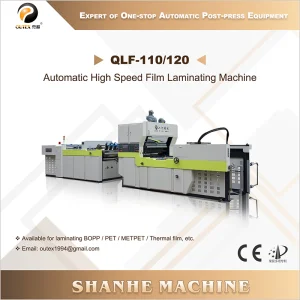
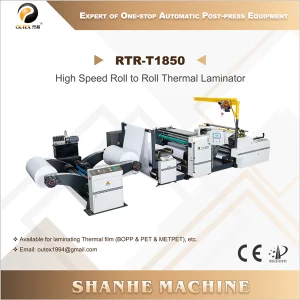
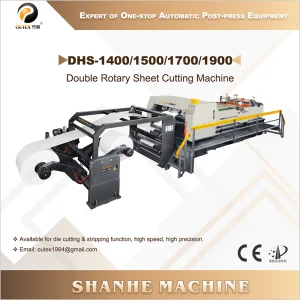
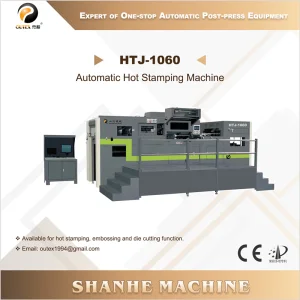
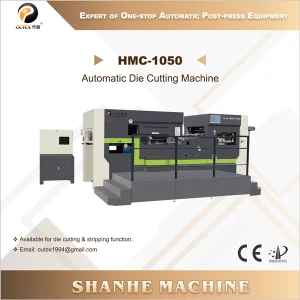
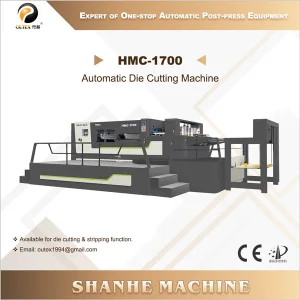
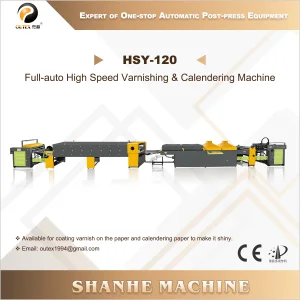
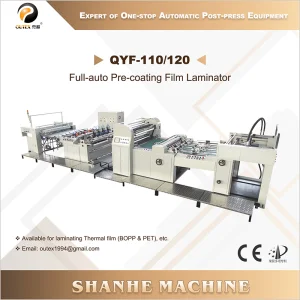
Achieving maximum profitability in high-volume paperboard laminating requires precise control over adhesive Rheology and registration dynamics. Below are field-tested engineering guidelines provided by our senior post-press application experts:
Root Cause: Moisture differential between the top printed sheet and bottom corrugated liner caused by excessive water content in starch or PVA glues.
Engineering Solution: Maintain glue viscosity at 18–22 seconds (Zahn Cup #4). Implement automatic ceramic metering rollers to restrict wet adhesive coating thickness to 12 g/m² maximum. Utilize a flip-flop stacker to alternate bundle directions during drying.
Root Cause: Suction belt slip, uneven paper tension, or mechanical backlash in older pusher systems at speeds exceeding 10,000 sheets/hour.
Engineering Solution: Transition to multi-axis absolute optical servo controllers. Ensure side-pull registration gauges exert dynamic proportional pressure matching the specific paper grammage (180–450 gsm).
Root Cause: Friction between transport belts, metal guides, and delicate UV-coated or film-laminated top sheets.
Engineering Solution: Install anti-static ionizer bars across feeder beds, replace rigid steel registration stops with non-marking poly-urethane guides, and adjust suction transport vacuum levels according to sheet size.
Comprehensive technical and procurement answers for industrial equipment buyers, plant manager engineers, and machinery distributors.