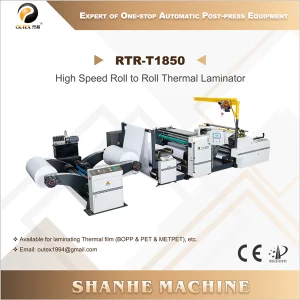
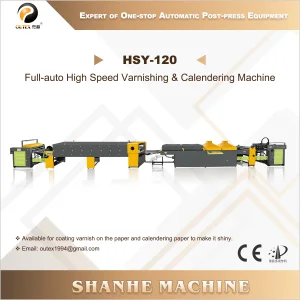
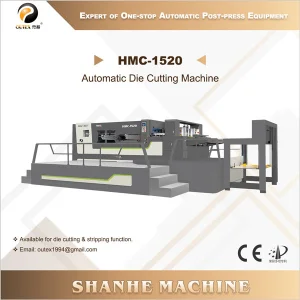
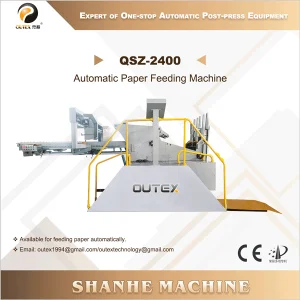
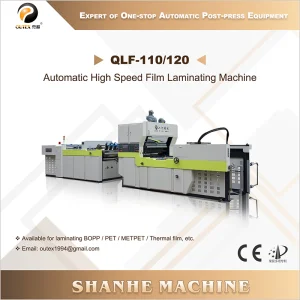
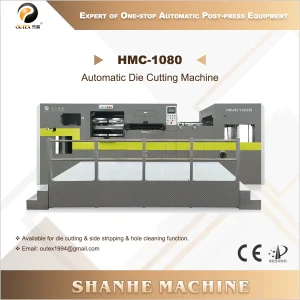
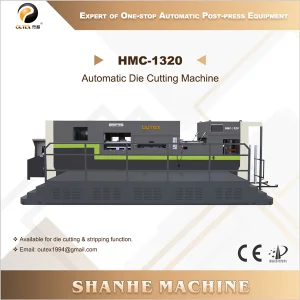
Explore our flagship fully automatic laminating, calendering, die-cutting, and folding systems designed for maximum ROI and thermal efficiency.
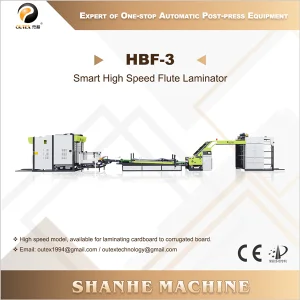
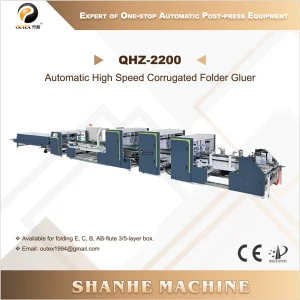
Understanding the transition from water-based wet lamination to fully automatic thermal film lamination engineering.
In modern high-volume packaging conversion, post-press finishing serves as the decisive phase that defines structural durability, visual radiance, and barrier protection against moisture, grease, and tactile wear. Among the various surface finishing methodologies—including solvent-less adhesive coating, UV varnishing, and liquid dispersion coating—Fully Automatic Thermal Film Laminating Machines have emerged as the absolute gold standard for high-tier folding cartons, luxury rigid boxes, pharmaceuticals, and commercial print collateral.
The core technological innovation of thermal film lamination (frequently designated as dry or pre-coated lamination) lies in the complete elimination of liquid glues on the factory floor. Instead, these machines utilize substrate films pre-coated with a heat-activatable resin (predominantly Ethylene-Vinyl Acetate, or EVA, bonded to Biaxially Oriented Polypropylene [BOPP], Polyethylene Terephthalate [PET], or Polylactic Acid [PLA] bases). When passed through precision-engineered electromagnetic heating rollers under intense pneumatic pressure, the EVA layer liquefies, penetrating the microscopic fibers of the printed paper board to form an instantaneous, permanent molecular bond.
From an operational standpoint, leading manufacturers are rapidly phasing out traditional wet lamination units due to volatile organic compound (VOC) compliance challenges, lengthy glue drying cycles, and paper curl distortion caused by liquid water absorption. The table below illustrates the core operational metrics provided by top thermal film machine manufacturers:
| Evaluation Parameter | Thermal Pre-Coated Lamination | Water-Based Wet Lamination | Solvent-Based Lamination |
|---|---|---|---|
| Environmental & Safety | Zero VOCs, Solvent-Free, Cleanroom Safe | Low VOCs, high wastewater management needed | High VOC emissions, strict fire explosion hazard |
| Substrate Flatness (Anti-Curl) | Superior via servo anti-curl tension control | Moderate to Poor (paper absorbs liquid water) | Good, but requires thermal solvent flash-off |
| Drying / Curing Time | Instantaneous (Immediate die-cutting ready) | Requires 12 to 24 hours cure downtime | Requires solvent evaporation tunnel delay |
| Optical Clarity & Gloss Level | Ultra-high glass film surface finish (>95 GU) | Variable based on glue coat uniformity | High, but risk of solvent clouding |
| Operational Scrap Rates | < 0.5% with automated feeder & knife slitter | 1.5% - 3.5% during glue viscosity setup | 2.0% - 4.0% during temperature balancing |
Analyzing procurement drivers across North America, Europe, Asia-Pacific, and emerging packaging hubs.
Demand is driven by stringent ESG environmental guidelines, zero-VOC workplace mandates, and fast job turnaround times. Buyers prioritize fully automated flying-knife disc separation systems, fast setup times (<5 minutes), and UL/CE compliance certification.
Packaging converters in China, India, and Southeast Asia focus heavily on continuous high-speed throughput (80-120 m/min), multi-substrate compatibility (ranging from 100gsm paper to 600gsm heavy board), and low total cost of ownership (TCO).
Fast-growing demand for luxury cosmetic packaging and pharmaceutical cartons. Procurement focuses on robust mechanical construction, low maintenance requirements, and availability of remote diagnostic optical telemetry.
How thermal film laminating machines form the core connection between printing presses and die-cutting lines.
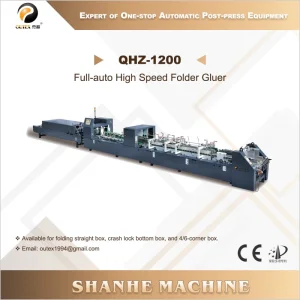
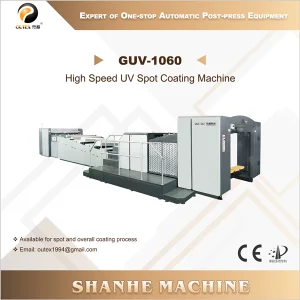
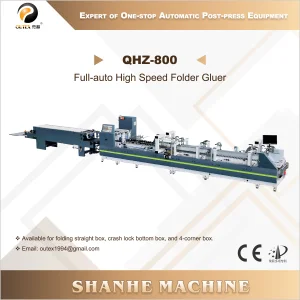
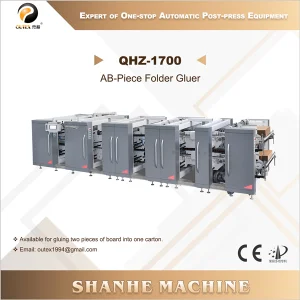
A standalone laminator, regardless of speed, can become a bottleneck if not integrated seamlessly into an automated post-press workflow. Leading manufacturers engineer their fully automatic thermal film laminating machines as modular units designed to interface with pre-feeding units, UV coaters, flute laminators, automatic die-cutters, and high-speed folder-gluers.
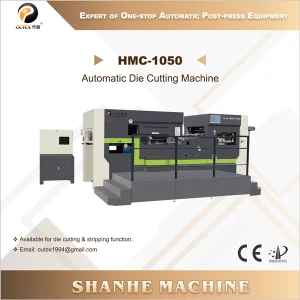
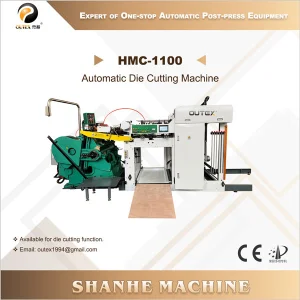
In high-capacity folding carton plants, thermal laminators are linked directly with automatic sheet stackers and robotic loading arms. Printed sheets flow from offset presses into non-stop automatic feeders, undergo high-precision thermal film bonding, pass through pneumatic rotary cutting disc slitters, and are stacked vertically for immediate conveyance to high-speed platen die cutters (such as the HMC-1520 series).
Digital printing presses utilizing synthetic toners or silicone oils present surface tension challenges for traditional adhesives. Modern fully automatic thermal film laminators incorporate specialized high-temperature EVA thermal films combined with ultra-high pneumatic nip pressure and corona discharge surface treaters, providing 100% bond strength without peeling during embossing or deep creasing.
Discover the next decade of technological breakthroughs shaping post-press machinery.
Replacing traditional oil circulation tubes inside heating rollers. Electromagnetic induction generates instantaneous, localized heat directly within the roller wall, slashing warm-up times from 45 minutes down to 5 minutes, while reducing electrical energy consumption by over 35%.
As single-use plastics face global regulatory bans, machine manufacturers are re-engineering thermal nip geometry and tension profiles to handle ultra-thin (9-12 micron) bio-degradable PLA (Polylactic Acid) and bio-cellulose films without web breakage or thermal distortion.
Next-gen laminators integrate high-resolution inline linear CCD camera vision systems. AI algorithms monitor continuous film tension, detect surface micro-bubbles, flag registration drifts, and auto-adjust roll pressure in real-time without operator intervention.
Quantifying payback periods and operational efficiency gains for packaging converters.
Investing in a high-grade fully automatic thermal film laminating machine represents a major capital expenditure (CapEx) for packaging facilities. However, an analysis of total cost of ownership (TCO) reveals a remarkably short payback period—typically between 10 to 18 months depending on plant utilization rates.
Navigating safety standards, CE/ISO certifications, and international field engineering support.
Top-tier manufacturers build equipment compliant with European CE Directives (2006/42/EC Machinery Directive, Low Voltage Directive), ISO 9001:2015 Quality Management Frameworks, and OSHA electrical safety standards. Emitting zero hazardous air pollutants (HAPs) or liquid effluents, thermal laminators seamlessly assist converters in achieving FSC, BRCGS, and ISO 14001 environmental accreditations.
Leading companies offer comprehensive global service packages: factory site-planning prior to delivery, on-site commissioning by field engineers, complimentary operator training, and 24/7 IoT remote diagnostic support. With built-in VPN modules, factory technicians can diagnose PLC logic signals, update servo drive parameters, and troubleshoot sensor issues across continents instantly.
Technical guidance and purchasing advice directly from thermal laminating engineering specialists.
Thermal film lamination utilizes pre-coated films containing a solid EVA heat-melt adhesive layer on one side. Heat (usually 80°C to 120°C) and high pneumatic pressure activate the resin, bonding it to the paper instantly without liquid glues. Wet lamination applies a liquid water-based or solvent-based adhesive directly during the process, requiring extensive drying tunnels, longer setup times, and daily cleaning procedures.
Thermal laminators handle a broad spectrum of pre-coated thermal films including standard Gloss BOPP, Matte BOPP, Soft-Touch Velvet film, Anti-Scratch Matte film, Metallic PET film, Holographic films, and eco-friendly bio-degradable PLA (Polylactic Acid) films. Film thickness typically ranges from 10 to 30 microns.
Thermal lamination introduces tension as the warm film cools and shrinks on one side of the substrate. An automated anti-curl system uses a series of micro-adjustable reverse-bending bars and tension rollers to flex the laminated sheet in the opposing direction before sheet separation, ensuring 100% flat sheets suitable for high-speed automated feeding into die cutters.
Yes. Specialized high-tack thermal films engineered specifically for digital printing are available. When paired with machine features like high-pressure hydraulic/pneumatic rollers (up to 20 Mpa) and integrated corona surface treatment, thermal laminators ensure flawless adhesion on toner-heavy digital prints without film delamination during post-press creasing.
For standard BOPP thermal films, pneumatic bursting knives (disc knives) apply localized tension at the overlap joint to break the film cleanly. For tear-resistant films such as PET or Nylon, an integrated flying-knife assembly or hot-knife cutting system is used to physically shear the film roll precisely at the sheet margin.
Ensure the manufacturer adheres to European CE directives (specifically EN ISO 12100 safety of machinery standards), ISO 9001 quality standards, and provides electrical layouts engineered with SCHNEIDER, OMRON, or SIEMENS components complying with international LVD and EMC regulations.
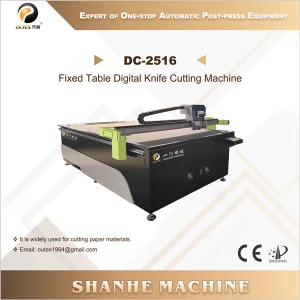
Expand your factory capability with high-precision die-cutters, digital knife tables, roll-to-roll laminators, and specialized folder gluers.