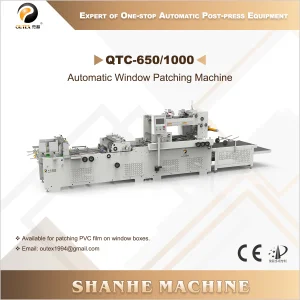
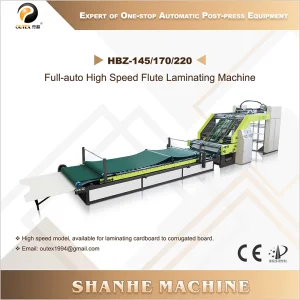
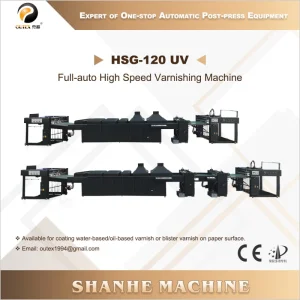
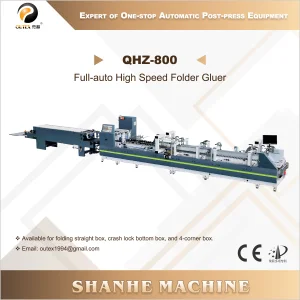
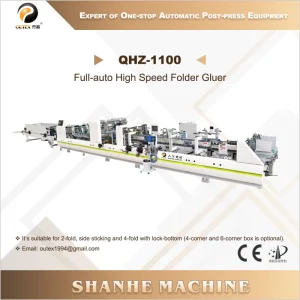
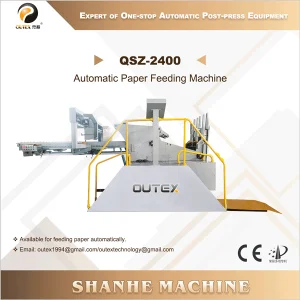
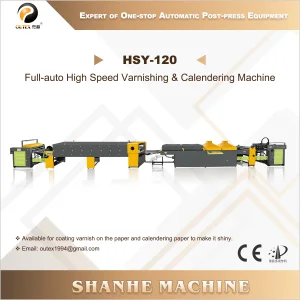
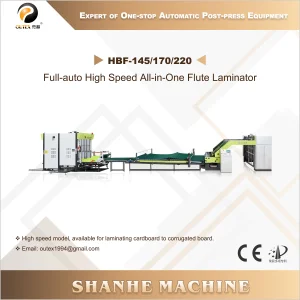
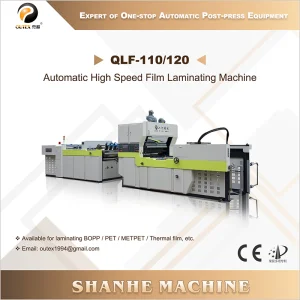
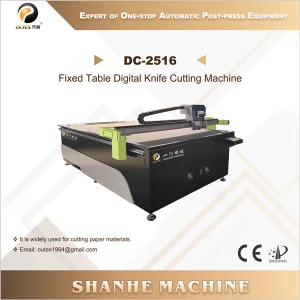
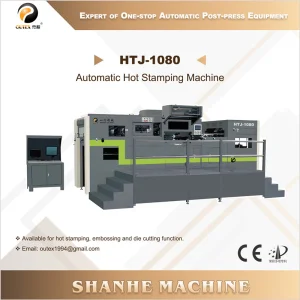
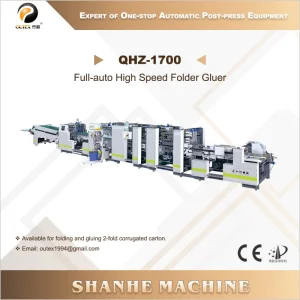
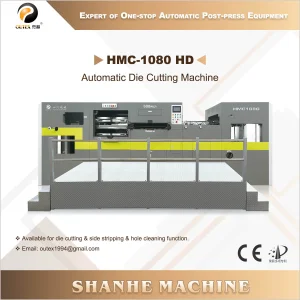
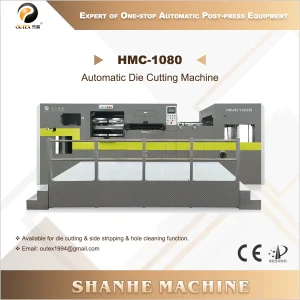
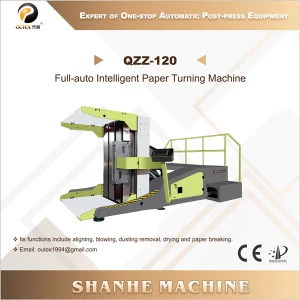
Explore our engineering line of industrial UV coaters, flute laminators, die-cutters, and folder gluers precision-crafted for modern converters.
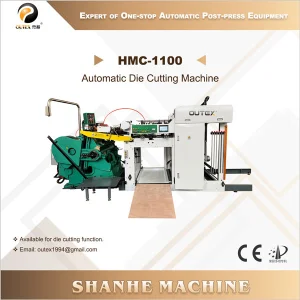
Analyzing the shift toward high-gloss protection, sustainable barrier coatings, and high-speed automated post-press workflows across international packaging converters.
In modern commercial printing and packaging, UV lamination machines and UV varnishing systems have transitioned from optional embellishment tools to core production necessities. Driven by global consumer demand in luxury cosmetics, pharmaceuticals, high-end electronics, and FMCG packaging, surface finishing must deliver robust scuff resistance, water barrier qualities, and striking visual depth.
Modern UV curing utilizes photo-polymerization resin systems that instantly dry under intense ultraviolet radiation. This zero-VOC (Volatile Organic Compound) process eliminates drying delays, enabling immediate downstream die-cutting, folding, and gluing.
Packaging converters continuously evaluate mechanical trade-offs between UV varnish, thermal film laminating, and solvent-free adhesive film mounting. The decision directly impacts unit economics, recyclability, and operational line speed.
UV lamination equipment engineered by premier Chinese OEMs bridges the gap between high-lustre gloss retention and operational cost-efficiency, giving global converters a decisive margin advantage on long-run folding boxboard production.
| Finishing Technology | Operational Speed | Environmental / Recyclability Impact | Abrasion & Chemical Resistance | Average Capital & Running Cost |
|---|---|---|---|---|
| Full-Auto Spot/Overall UV Coater | 100 - 150 m/min | High Recyclability (Repulpable substrates) | Exceptional (Chemical & Scratch proof) | Low running cost; High Energy Efficiency |
| Thermal BOPP Film Lamination | 60 - 90 m/min | Requires Film Stripping for Repulping | Maximum Tear & Moisture Barrier | Moderate capital, higher film material consumable cost |
| High-Speed Flute Board Laminator | 120 - 200 m/min | Fully Eco-Friendly (Water-based cold glues) | High Structural Integrity & Compression Strength | Optimal Cost per m² for Corrugated Shipper Boxes |
A granular look inside high-speed UV lamination and varnishing machines, featuring precision metering, dynamic registration control, and energy-efficient UV curing modules.
To achieve razor-sharp spot UV effects or flawless, bubble-free mirror gloss, high-end UV coating machinery utilizes ceramic gravure anilox rollers paired with chambered doctor blade assemblies. This configuration guarantees exact fluid transfer measured in grams per square meter (gsm), drastically minimizing varnish wastage while preventing coating streaks across wide-format paperboards.
Traditional high-pressure mercury lamps require substantial electrical power and generate infrared thermal radiation that can distort sensitive plastic films or cause heat-induced paper cockling. Advanced Chinese UV laminators integrate smart air-cooled or water-cooled LED-UV curing systems. These units deliver narrow-spectrum UV output (385-395nm), curing ink and varnish instantly while keeping substrate temperatures low and cutting energy consumption by over 45%.
High-speed operation demands pinpoint accuracy. Multi-axis Motion Control Systems utilizing Siemens or Schneider PLC modules dynamically track sheet lead edges with optical sensor arrays. Micro-adjustments are executed via dedicated servo motors to ensure registration precision within ±0.1mm, eliminating sheet overlap defects during film-to-board lamination or spot varnish coating runs.
Why Tier-1 global packaging converters choose specialized Chinese machinery manufacturers to scale production capacity with high structural reliability.
Situated in key machinery manufacturing clusters such as Shantou, Guangdong, leading packaging equipment builders leverage an unmatched localized ecosystem. High-grade cast iron frames, high-frequency induction hardened gears, electrical components, and CNC machining facilities operate within tight geographic radiuses.
This industrial density reduces component procurement lead times, allowing factories to pass significant cost savings down to international buyers without compromising structural durability or assembly standards.
Top-tier Chinese UV lamination factories do not merely operate mass assembly lines; they house specialized R&D engineering divisions focused on customized line configurations (e.g., inline UV coating combined with flip-flop stackers, thermal laminators, or corrugated flute spot mounting systems).
Every unit undergoes strict Factory Acceptance Testing (FAT), including 48-hour continuous dry runs, full-load varnish coating trials, and thermal imaging checks before export crate sealing.
Tailored post-press line configurations engineered to meet stringent regulatory, aesthetic, and structural requirements.
High-end cosmetic boxes require visual impact. By utilizing full-auto UV coaters equipped with spot-varnishing and deep texture embossing capabilities, converters apply matte-gloss contrast finishes, soft-touch tactile coatings, and tactile tactile effects that elevate shelf presence and brand perception.
Pharmaceutical packaging demands stringent barrier integrity and anti-counterfeiting compliance. Precision UV lamination seals folding boxboard against ambient moisture and chemical contamination while allowing downstream high-speed inkjet marking, braille embossing, and holographic foil application.
For micro-flute (E, F, G flute) and corrugated retail containers, inline flute laminating machines combine printed top sheets with corrugated substrates. Adding an inline UV coating unit shields shipping cartons from transit abrasion, moisture degradation, and color fading during international freight.
Smart automation, real-time viscosity regulation, and hybrid post-press integration defining the next era of industrial packaging.
Modern UV lamination lines are no longer standalone mechanical units. They feature integrated IoT edge gateways that transmit real-time telemetry—such as UV lamp degradation metrics, roller pressure balance, bearing temperature, and sheet-count throughput—to centralized cloud dashboards.
OEM remote diagnostic protocols allow engineers to troubleshoot software anomalies, update motion-control algorithms, and execute predictive maintenance schedules before unprogrammed downtime occurs.
Varnish viscosity fluctuates based on ambient plant temperature, leading to inconsistent gloss levels across long production shifts. Advanced UV coaters incorporate closed-loop fluid viscosity controllers that monitor coating thickness in real time, automatically dosing temperature-regulated fluid or solvents to maintain exact target centipoise (cP) parameters.
Key technical criteria plant managers and procurement executives must audit when sourcing UV coating and post-press machinery.
Verify that the machine's feeder head (Feeder) and suction transportation table support your full paper stock spectrum—from light 80 gsm paperboard up to 800 gsm heavy folding boxboard and 4mm micro-corrugated flutes—without causing surface marking or misfeeds.
Assess nominal mechanical speed versus actual production speed under heavy ink coverage. High-end machines utilize extended UV/IR drying tunnels equipped with dynamic air-exhaust systems to ensure complete resin polymerization at maximum feeder velocity.
Evaluate total kilowatt-hour (kWh) power consumption, replacement UV lamp lifespans (typically 1,000 hours for traditional arc vs. 20,000+ hours for LED-UV), mechanical spare parts pricing, and routine maintenance labor requirements.
Authoritative technical answers to common queries regarding UV lamination, varnishing machinery, factory customization, and international logistics.
A UV Lamination Machine typically refers to equipment that bonds a plastic film (such as BOPP, PET, or Thermal film) onto a paperboard substrate using a UV-curable adhesive, or glues top sheets to corrugated flutes. A UV Coating or Varnishing Machine applies a liquid UV-curable resin layer directly onto the printed paper surface via an anilox or roller coater without utilizing a film substrate. Both systems utilize ultraviolet radiation lamps to achieve instant curing and high-durability surface protection.
LED-UV systems cure inks and varnishes using targeted, narrow-wavelength light emitting diodes. Key benefits include: 1) Up to 50% energy savings as LED lights require no warm-up or standby power; 2) Minimal heat transfer to paper substrates, eliminating sheet curling and shrinkage; 3) Extended operational lifespan (20,000+ hours vs 1,000 hours for mercury tubes); and 4) Zero ozone generation, eliminating the need for complex exhaust ducting systems.
Standard industrial UV coating and post-press laminating machinery accept sheet widths ranging from 650mm up to 2200mm (such as the HBZ-220 series). Compatible substrate weights generally span from 80 gsm fine paper up to 800 gsm heavy cardboard, as well as laminated E, F, N corrugated flutes up to 4.5mm total thickness.
Yes. By utilizing flexographic photopolymer plates or gravure cylinder attachments combined with high-precision optical registration sensors, multi-functional UV varnishing machines can seamlessly switch between overall flooding protection and precise registered spot UV coating on designated graphics, text, or logos.
Overseas buyers receive end-to-end support: factory layout design, pre-shipment FAT inspections, on-site commissioning by field engineers, and comprehensive operator training. Post-warranty support includes 24/7 remote IoT diagnostics, HD video troubleshooting guides, emergency electrical component dispatches, and lifetime spare parts supply.
High speed precision is achieved through heavy structural cast-iron bases that eliminate vibration, integrated high-resolution optical sensors, side-lay registration guides, and independent multi-servo drive systems controlled by central PLC processing units (such as Siemens or Omron) that make micro-adjustments in milliseconds.
Absolutely. Export-grade machinery complies with European Union CE Directives (Machine Safety Directive 2006/42/EC and Low Voltage Directive 2014/35/EU). Equipment features safety light curtains, emergency stop interlocks, shielded UV lamp housings, and low-voltage electrical control cabinets.
Standard machine manufacturing lead times range from 30 to 45 business days depending on custom configuration requirements. Direct export shipping is managed via major sea ports (Shantou, Shenzhen, Shanghai, Tianjin) with anti-rust oil treatment, vacuum moisture-proof foil wrapping, and heavy-duty steel-reinforced wooden crate packaging.
Discover our complementary line of flute laminators, digital knife cutters, hot stamping presses, die-cutters, and intelligent paper handlers.