Explore our flagship thermal film laminators, die cutters, hot stamping units, and UV coaters engineered for maximum operational uptime and thermal efficiency.
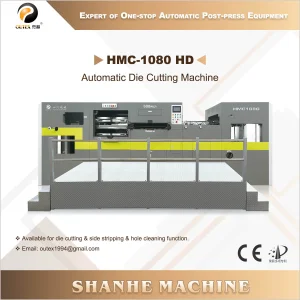
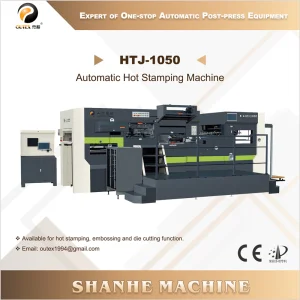
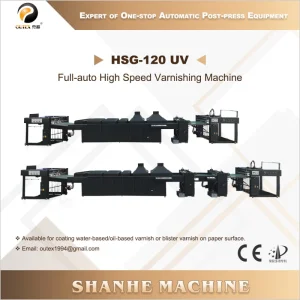
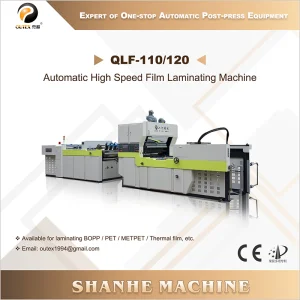
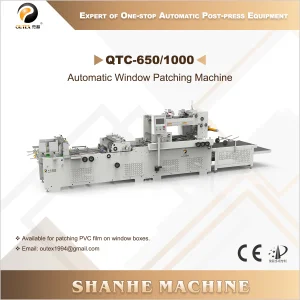
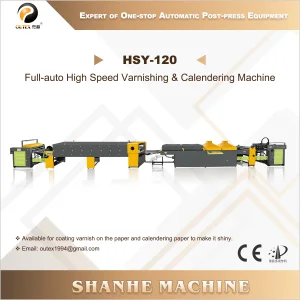
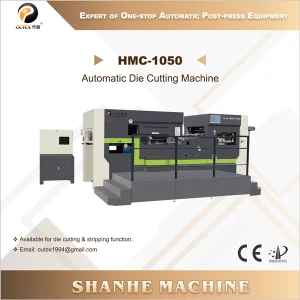
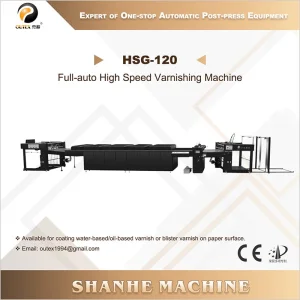
In modern commercial printing and high-end packaging manufacturing, Thermal Film Lamination—commonly known as dry lamination—has transformed from an elective finishing option into an indispensable industry benchmark. Unlike legacy wet lamination processes that rely on liquid solvent or water-based adhesives applied during processing, thermal lamination utilizes pre-coated films featuring a solid Ethylene-Vinyl Acetate (EVA) thermal adhesive layer. Under controlled thermal radiation and calibrated pneumatic pressure, this polymer layer liquefies, bonding flawlessly with paper, cardstock, or corrugated substrates.
Global demand for high-speed thermal laminating machinery is accelerating at an unprecedented rate, driven by strict environmental mandates targeting Volatile Organic Compounds (VOCs), changing consumer preferences toward luxury tactile finishes (such as soft-touch and anti-scratch matte), and the rapid expansion of global e-commerce packaging. Modern print service providers (PSPs) and packaging converters require post-press equipment that delivers consistent optical clarity, zero adhesive migration, high tensile bond strength, and rapid mechanical throughput without sacrificing sheet registration.
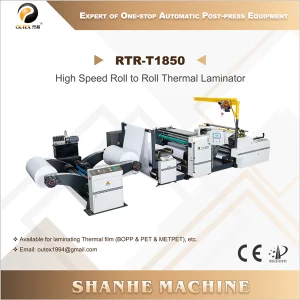
Engineered to bond seamless thermal BOPP, PET, Nylon, and biodegradable PLA films to offset prints, digital toner-based sheets, and heavy-gauge folding boxboards.
Thermal pre-coated films eliminate solvent drying tunnels and chemical mixing, achieving 100% compliance with international green printing regulations.
Eliminates curing wait times completely. Sheets can be directly routed to die-cutting, foil stamping, or folder-gluer operations immediately after lamination.
| Performance Metric | Thermal Film Lamination (Dry) | Wet Lamination (Water-Based / Solvent) |
|---|---|---|
| Adhesive Type | Pre-extruded EVA Hot-Melt Solid Layer | Liquid Polyurethane / Acrylic Emulsion |
| Environmental Impact | Zero VOCs, Zero Chemical Waste, Clean Operation | Requires Solvent Recovery or Wastewater Treatment |
| Process Setup & Cleanup | Instant start-up, no adhesive pump cleaning needed | Extensive wash-down required between production runs |
| Digital Print Adhesion | Excellent with specialized high-tack EVA formulations | Prone to delamination on wax-heavy digital toners |
| Post-Press Processing | Immediate die-cutting, embossing, and window patching | Requires 12–24 hours of curing and drying time |
As the international post-press machinery sector undergoes rapid digital conversion, **China's leading thermal film laminating machine manufacturers** have established a dominant position in the global capital equipment market. Leveraging localized industrial clusters—such as the advanced manufacturing base in Shantou, Guangdong—Chinese OEMs combine deep metallurgy expertise, precision CNC machining, scale economies, and continuous electro-mechanical innovation.
Modern Chinese thermal film laminators are no longer defined solely by cost-competitiveness; they represent high-precision engineering platforms equipped with world-class componentry. From heavy-duty cast-iron frames designed to absorb high-speed mechanical vibration to sophisticated electromagnetic induction heating systems, Chinese equipment manufacturers provide international packaging converters with an unprecedented total cost of ownership (TCO) advantage.
Thermal lamination equipment must adapt seamlessly to diverse substrate weights, ink formulations, surface treatments, and end-use structural requirements. Leading global packaging sectors leverage specialized thermal laminating lines for high-volume, defect-free production:
High-end cosmetics, perfume, and spirits packaging utilize soft-touch tactile thermal films combined with inline hot foil stamping. Thermal laminators must maintain strict temperature consistency to prevent blistering during subsequent die-cutting or heavy embossing cycles.
Food-contact and medical packaging require zero solvent retention and high moisture barrier capabilities. Thermal PET laminations provide sterile, grease-proof, and scuff-resistant protective layers that meet FDA and EU migration standards.
Hardcover book production and annual reports demand extreme gloss clarity or uniform matte texture. Automated thermal laminators deliver scuff-resistant covers capable of enduring intense folding, binding, and spine creasing.
Combining heavy-duty roll-to-roll or sheet-to-sheet thermal film laminating machines with automated flute laminators ensures corrugated shipper boxes withstand moisture, abrasive handling, and rough transit environments.
The post-press machinery landscape is entering a transformative period marked by digital connectivity, artificial intelligence, and circular economy requirements. Forward-thinking Chinese manufacturers are pioneering several key technological integrations:
Next-generation thermal laminators integrate infrared sensor matrixes connected to closed-loop PLC systems. The machine dynamically scans temperature across 16 heating zones, adjusting localized electromagnetic induction in real-time. Simultaneously, optical camera arrays track sheet registration marks, automatically making micro-adjustments to the servo feeder to maintain overlap accuracy within ±0.5 mm at high speeds.
With global sustainability mandates tightening worldwide, post-press finishing must accommodate bio-based films, such as Polylactic Acid (PLA) thermal films and cellulose-based films. Chinese engineers have re-engineered heating drum profiles, nip pressure hydraulics, and tension controls to handle sensitive eco-films that feature narrow processing temperature windows without melting or stretching the film matrix.
By embedding industrial Internet of Things (IoT) sensors into critical components—such as heating roller bearings, hydraulic pressure pumps, and main drive gearboxes—modern thermal film laminators transmit operational telemetry to cloud monitoring dashboards. Plant managers receive real-time visibility into power consumption, total square footage laminated, component wear warnings, and remote diagnostic support.
Procuring capital equipment from overseas manufacturers requires a structured evaluation framework that goes beyond initial purchase price. International buyers should evaluate potential China thermal film laminating machine suppliers against four core operational criteria:
Verify whether the machine utilizes traditional internal oil heating or modern external electromagnetic induction heating. Induction systems provide vastly superior temperature stability (±1°C), significantly shorter warm-up times, and reduced electrical power costs over a multi-year horizon.
Examine the total weight and frame construction of the laminating tower. Heavy-duty cast iron frames absorb high-frequency vibrations during 24/7 continuous runs, preserving roller alignment, hydraulic pressure integrity, and gear longevity.
Ensure that critical automation components—such as PLCs, touchscreens, AC drives, and servo motors—are sourced from globally recognized brands (e.g., Schneider, Siemens, Omron, Delta). This guarantees straightforward local spare parts availability and simplified maintenance.
Audit the supplier’s international service capabilities. Trusted suppliers offer detailed installation videos, online remote PLC debugging, comprehensive spare part kits shipped with equipment, and on-site engineering commissioning.
Expert technical answers regarding thermal film laminating machine operations, procurement, maintenance, and international compliance.
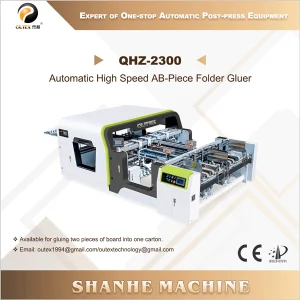
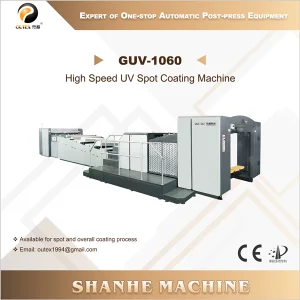
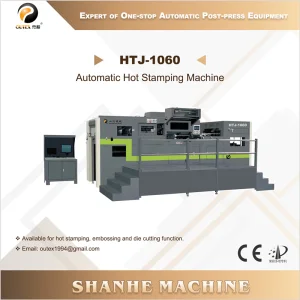
Build an efficient, automated finishing line with our complementary post-press machinery portfolio, engineered to operate seamlessly alongside our thermal laminators.
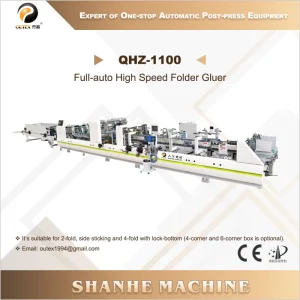
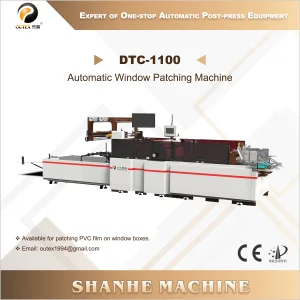
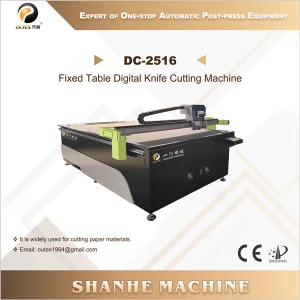
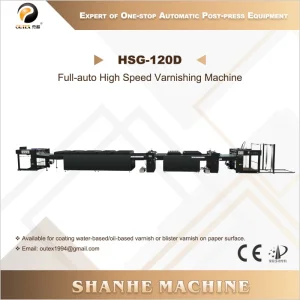
Consult with our senior application engineers to receive customized equipment recommendations, technical specifications, and direct factory pricing tailored to your plant's production target.
Request a Customized Technical Quote