Engineered for maximum thermal stability, micro-registration accuracy, and high-speed box finishing workflows.
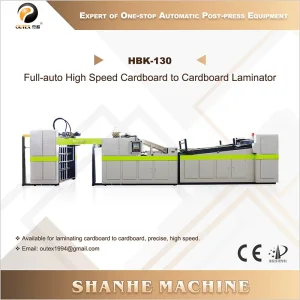
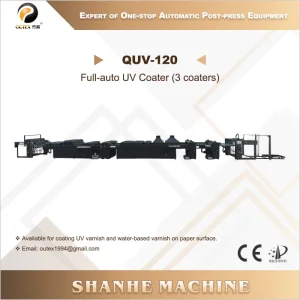
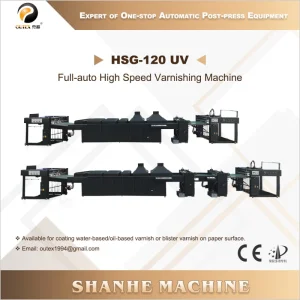
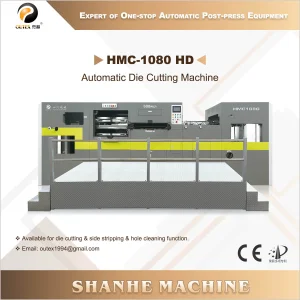
Understanding thermodynamic performance, tonnage dynamics, and structural rigidity in compact post-press machinery.
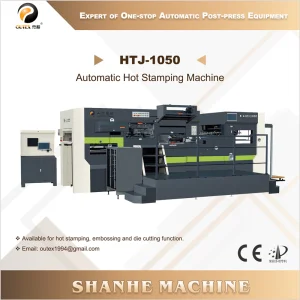
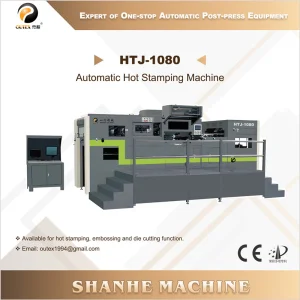
In the evolving landscape of high-end packaging, luxury graphics, and localized customized production, the demand for high-precision, space-efficient post-press equipment has experienced an unprecedented surge. The mini hot stamping machine—often categorized alongside compact benchtop hot foil stampers, semi-automatic micro-presses, and modular hot foil units—represents a critical technological bridge between heavy industrial high-volume die-cutters and nimble, high-mix low-volume (HMLV) converter operations.
Historically, hot foil stamping required massive floor footprints, extensive thermal warm-up periods, and substantial mechanical tonnage to establish proper foil release kinetics. However, advances in modern mechanical engineering, micro-processor-driven PID thermal feedback loops, and high-torque pneumatic/servo driving mechanisms have transformed compact mini hot stamping units into high-precision powerhouses. These machines deliver consistent foil adhesion, sharp graphic edge definition, and flawless tactile embossing across diverse substrates including coated paperboard, rigid cardboard, leather, synthetic polymers, and metallic foil stocks.
Core Technical Insights: Modern mini hot stamping machinery operates on a precise balance of three fundamental parameters: Temperature Stability (controlled within ±1°C), Dwell Time Precision (synchronized via millisecond-level digital relays), and Impression Tonnage Distribution (achieved via micro-adjustable toggle linkages or dual-servo press mechanisms).
To evaluate a high-performance mini hot stamping supplier, buyers must analyze four critical internal engineering components:
Key drivers re-shaping the mini hot foil stamping machinery landscape for modern packaging plants.
Hybrid configurations combining digital foil jetting with traditional heat-pressure dies allow rapid prototyping, zero-tooling short runs, and personalized variable data stamping.
Transitioning toward plastic-free, ultra-thin carrier films and water-soluble release layers requires ultra-precise thermal control to avoid polymer scorching during transfer.
Smart sensors log heating element resistance, pneumatic pressure drops, and cycle counters directly to cloud dashboards to enable zero-downtime maintenance schedules.
How concentrated industrial clusters, component sourcing, and advanced machining deliver unmatched value.
Global procurement specialists increasingly turn to leading Chinese manufacturers such as Guangdong Shanhe Industrial Co., Ltd. (SHANHE MACHINE) for mini hot stamping solutions and comprehensive post-press lines. This global market transition is driven by robust structural supply chain advantages unique to established Chinese industrial clusters:
Located in specialized zones like Shantou, Guangdong, machinery manufacturers benefit from immediate access to precision CNC machining centers, high-grade casting foundries, and thermal treatment facilities, drastically shortening production lead times.
Premium Chinese equipment integrates top-tier international electrical components (PLC systems, Schneider contactors, Omron sensors, SMC pneumatics) with heavy-duty in-house mechanical castings to guarantee decades of continuous duty cycles.
Direct factory engineering teams offer flexible OEM/ODM modifications—adapting bed sizes, tonnage capacities, heating block configurations, and voltage compatibility—at a fraction of Western capital expenditure costs.
Evaluating Capital Expenditure (CapEx), Operational Cost Efficiency (OpEx), and Return on Investment (ROI).
When evaluating a mini hot stamping machine supplier, industrial buyers must look beyond the initial purchase price. Calculating TCO requires a holistically structured framework considering machine longevity, job changeover efficiency, energy consumption, and spare part availability.
| Evaluation Dimension | Standard Benchtop Stampers | Industrial Mini Hot Stamping Machines | Heavy Automatic Platen Press Lines |
|---|---|---|---|
| Initial CapEx | Low ($500 - $3,000) | Moderate ($5,000 - $25,000) | High ($80,000 - $300,000+) |
| Impression Tonnage | Manual / Light Pneumatic (< 0.5 Ton) | Industrial Pneumatic / Servo (1.5 to 10 Tons) | Heavy Duty Mechanical Platen (100 to 600 Tons) |
| Max Sheet Size Range | A6 to A4 Small Cards | A4 to B2 Format Sheets / Blanks | Large Format (1050mm - 1650mm Sheets) |
| Changeover Speed | 5 - 10 Minutes (Manual setup) | 10 - 20 Minutes (Digital preset saved) | 45 - 90 Minutes (Heavy die alignment) |
| Optimal Production Run | 1 - 500 Pcs (Artisan / Craft) | 500 - 15,000 Pcs (Short/Medium Runs) | 20,000 - 500,000+ Pcs (High Volume) |
| Estimated ROI Period | 12 - 18 Months | 4 - 8 Months (High flexibility margin) | 18 - 36 Months |
By deploying compact mini hot stamping units alongside large-format automated press lines, converting plants optimize their operational workflows: offloading short-run custom finishing jobs from high-speed production lines eliminates costly setup downtime, maximizing overall plant profitability.
Delivering high-value tactile aesthetics across diverse commercial packaging applications.
Crisp metallic gold and holographic foil accents applied to rigid luxury folding boxes and cosmetic slipcases, conveying premium brand value.
Precision application of serialized security holograms and tamper-evident metallic anti-counterfeiting foils directly onto folding carton flaps.
Deep blind embossing and foil stamping on genuine leather notebook covers, hardcover book spines, corporate gift boxes, and specialty invitations.
Precision heat transfers of micro-patterns and metallic accent branding onto interior polymer panel prototypes and custom dashboard components.
Ensuring operational safety, seamless installation, and maximum uptime across international markets.
Deploying hot stamping equipment internationally requires total confidence in machine compliance and post-sale technical support. Responsible suppliers uphold rigorous international standards:
Equipment must adhere to European CE Directives (Machinery Directive 2006/42/EC and Low Voltage Directive 2014/35/EU), ISO 9001 Quality Management Systems, and relevant North American electrical safety protocols (UL/OSHA alignment).
From pre-installation site planning and pneumatic line balancing to on-site commissioning and hands-on operator training, dedicated support engineers ensure immediate operational readiness.
Direct export capabilities from major ports (Shantou, Shenzhen, Shanghai, Tianjin) backed by fast-dispatch wear-and-tear consumable kits (heating cartridges, thermocouples, pneumatic seals, silicone pads).
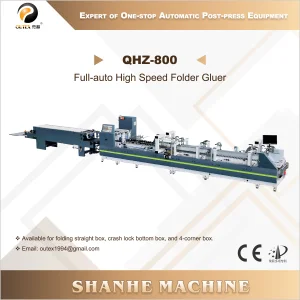
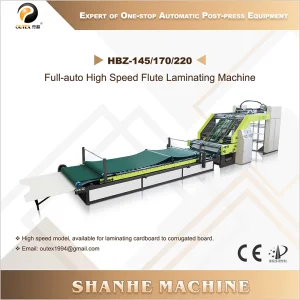
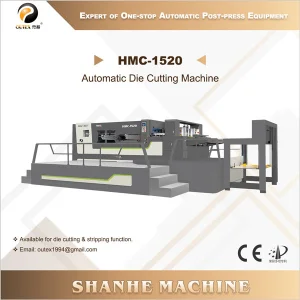
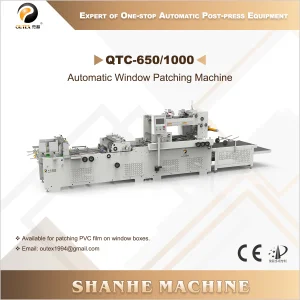
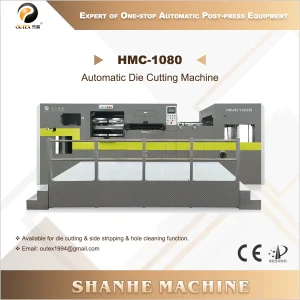
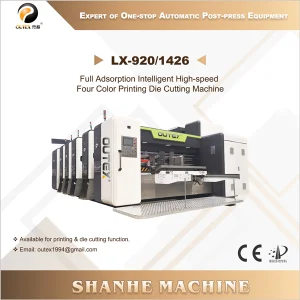
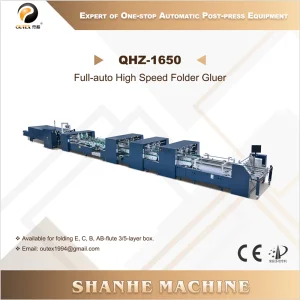
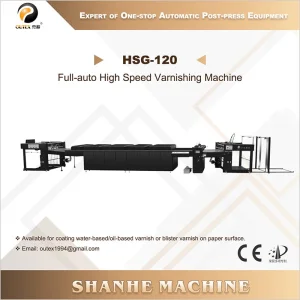
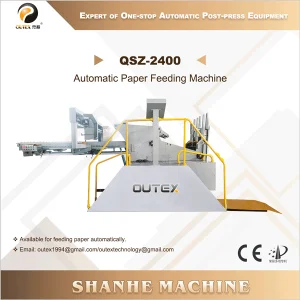
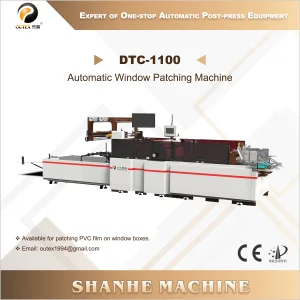
Complete inline and offline solutions for lamination, die-cutting, window patching, and folder-gluing.
Expert answers addressing operational parameters, die material selection, export logistics, and OEM capabilities.
Die selection depends directly on substrate complexity, pressure demands, and total run lengths: