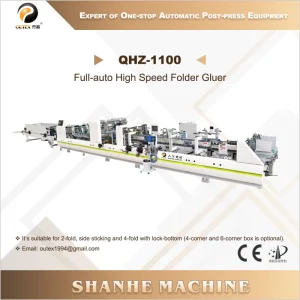
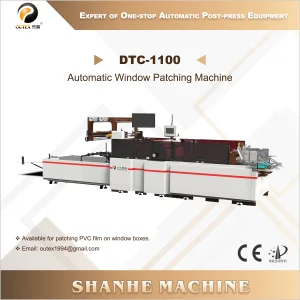
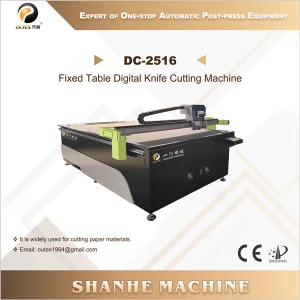
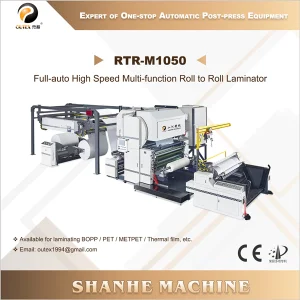
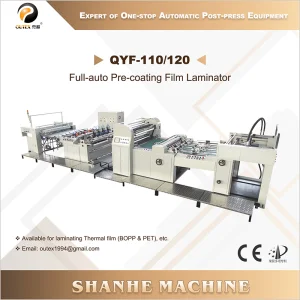
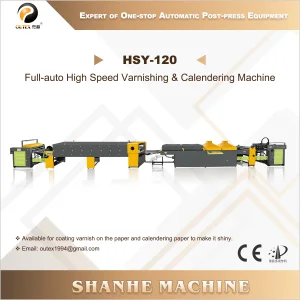
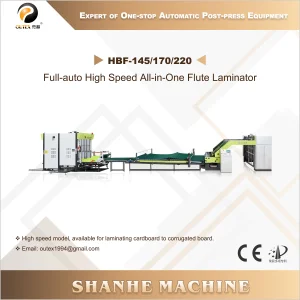
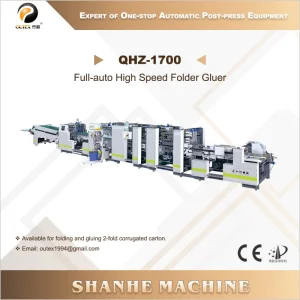
Explore our premier machinery series engineered for high-speed corrugated laminating, deep embossing, roll-to-roll converting, and automated stacking operations.
An authoritative analysis of post-press automation, sheet dynamics, kinematic alignment, and the elimination of delivery bottlenecks in high-volume folding carton & corrugated plants.
In high-speed post-press manufacturing, the delivery unit represents the critical boundary where kinematic velocity meets structural material stability. As modern offset presses, flute laminators, and die-cutters achieve operating speeds exceeding 12,000 sheets per hour (or linear web speeds over 200 m/min), legacy horizontal stackers and manual off-loading mechanisms fail to maintain sheet alignment, leading to edge damage, micro-flute crush, and severe operational downtime.
The introduction of specialized Vertical Paper Stackers and integrated Flip-Flop Stacking Systems has transformed paper converting logistics. By utilizing gravity-assisted vertical accumulation, servo-driven pneumatic side-squaring, and automated pile inversion, contemporary vertical stackers optimize pile squareness to within ±0.5 mm tolerances while protecting moisture-sensitive starch adhesive bonds in laminated corrugated substrates.
Historically, post-press finishing lines relied on simple sloping delivery tables. Operators manually lifted heavy reams of freshly glued or laminated board. This traditional approach presented three catastrophic structural limitations:
Advanced vertical paper stackers resolve these challenges by employing multi-stage vertical lifting tables, suction belt transport, and non-stop pallet exchange logic. By shifting sheet transport into a controlled vertical vector, the momentum of the incoming sheet is absorbed smoothly via pneumatic deceleration curtains and non-marking stop-gates.
Understanding the structural shifts in global e-commerce packaging, sustainability mandates, and the shift toward fully integrated Industry 4.0 converting lines.
The explosive growth of direct-to-consumer e-commerce has elevated demand for lightweight, high-strength micro-flute packaging (E, F, G, and N flutes). Vertical stackers preserve structural flute integrity under high compression without causing flute crushing or score cracking.
Modern plant managers require real-time feedback. Leading vertical stacker factories integrate Ethernet/IP, PROFINET, and OPC-UA protocols, allowing the stacker to communicate live sheet counts, jam alerts, and batch changes directly to the enterprise MES/ERP system.
Tightening labor markets across Europe, North America, and Southeast Asia have made manual stacking unsustainable. Automated vertical stackers eliminate repetitive lifting injuries, drastically lower workers' compensation risk, and reduce operator headcount per line from 3 down to 1.
Paper mills are delivering lower basis-weight liners to meet corporate decarbonization targets. Flimsier paper sheets present severe tail-down sagging. Vertical stackers utilize overhead vacuum assistance and air-cushion flappers to guide delicate sheets smoothly onto the pile stack.
Pharmaceutical and luxury brand owners enforce strict zero-defect policies. Modern vertical stacking systems can be retrofitted with inline camera inspection modules to automatically reject out-of-register or defective sheets into a bypass chute before pile creation.
Energy-intensive hydraulic stackers are being rapidly replaced by high-efficiency electromechanical servo drives equipped with kinetic energy recovery systems (KERS), cutting electrical power consumption by up to 35% per production shift.
A comparative framework for Chief Technical Officers (CTOs), Plant Engineers, and Sourcing Directors evaluating vertical paper stackers and post-press machinery OEMs.
When enterprise packaging converters invest in post-press machinery, the purchasing decision extends far beyond initial machine acquisition cost (CapEx). Sourcing teams evaluate total cost of ownership (TCO), operational availability, safety compliance, and OEM engineering depth.
Industrial vertical stackers must match the continuous output of high-speed laminators (up to 200 m/min). Procurement specs must audit motor rating insulation (Class H), heavy-duty frame casting weight (to suppress structural vibration), and pneumatic valve response frequencies (<15ms).
Modern short-run packaging demands frequent format changes. Premium stackers feature motorized side-guide positioning with programmable logic control (PLC) memory presets, reducing job changeover time from 25 minutes down to less than 3 minutes via touchscreen graphical interfaces.
Equipment exported to Western markets must strictly comply with CE Machinery Directive 2006/42/EC, EN ISO 13849-1 safety circuit performance levels (PLd/PLe), optical light curtains, interlocked physical safety fencing, and emergency mechanical braking pins on vertical lifting platforms.
Unplanned downtime can cost packaging plants thousands of dollars per hour. Sourcing protocols mandate OEMs to provide 24/7 VPN remote diagnostic capabilities, guaranteed regional spare parts stock SLA, and certified field service technician dispatch protocols.
How Guangdong Shanhe Industrial Co., Ltd. integrates vertical stacking technology into end-to-end automated manufacturing ecosystems.
A stand-alone machine can only perform to the limits of its surrounding material transport system. Guangdong Shanhe Industrial Co., Ltd. (SHANHE MACHINE) engineered an interconnected post-press architecture where high-speed sheet feeding, thermal film laminating, inline corrugated mounting, deep platen die-cutting, and vertical stacking work in continuous digital synchronization.
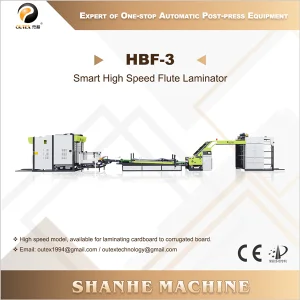
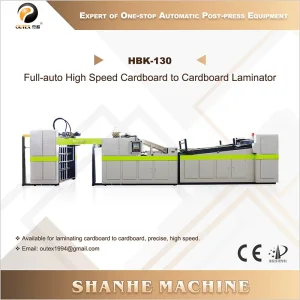
Designed specifically for heavy-duty display boxes, fruit cartons, and appliance packaging. The line couples an inline high-speed flute laminator (such as the HBF Smart Series) directly to an intelligent vertical flip-flop stacker:
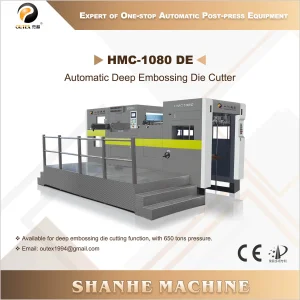
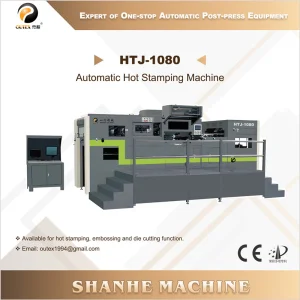
For cosmetic packaging, premium spirits, and pharmaceutical folding cartons requiring rich tactile aesthetics. The setup combines the heavy-tonnage HMC-1080DE Deep Embossing Die Cutter (650T pressure) with a precise vertical pile collector:
Emerging innovations in servo kinesthesis, artificial intelligence inspection, dynamic load balancing, and sustainable machinery design.
By integrating high-resolution CMOS cameras at the vertical stacking throat, deep-learning algorithms track sheet corner trajectory in real time. If a skewed sheet is detected mid-air, high-speed micro-air jets adjust the sheet's flight angle before it strikes the mechanical stack stop.
Next-generation stackers incorporate tri-axial vibration sensors, thermal infrared monitoring on main drive gearboxes, and current signature analysis on lifting servos. Cloud analytics predict bearing wear weeks before catastrophic mechanical failure occurs.
Future vertical stackers will feature direct API handshake protocols with plant-floor AMRs. Once a full pallet stack reaches completion, the stacker automatically commands an AMR tugger to extract the finished pallet and deliver it to automated stretch-wrapping stations.
Deploying regenerative electrical bus systems across vertical lift actuators allows the kinetic energy generated during platform lowering cycles to be converted directly into electrical power, feeding back into the machine's primary power grid.
Guangdong Shanhe Industrial Co., Ltd. — Building global trust through robust manufacturing capacity, international safety standards, and dedicated export logistics.
Founded in 1994, Guangdong Shanhe Industrial Co., Ltd. (SHANHE MACHINE) has established itself as an authoritative leader in intelligent post-press equipment design. Spanning a modern 34,175 square meter industrial manufacturing facility in Shantou, Guangdong, China, Shanhe integrates CNC precision machining, heat treatment, static balance testing, and comprehensive machine assembly under one rigorous Quality Management System.
Every vertical paper stacker, flute laminator, die-cutter, and film laminating system leaving our production bays strictly adheres to international standards:
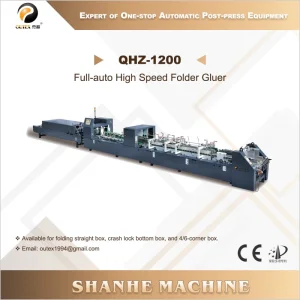
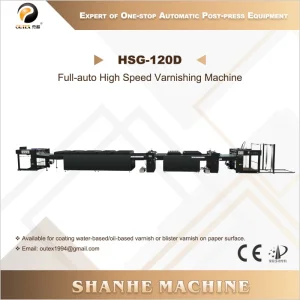
Discover our comprehensive range of UV coaters, varnishing lines, roll laminators, and folder gluers engineered to complete your post-press line.
Detailed answers to technical, operational, and procurement queries regarding vertical paper stackers, flute laminators, and post-press automated systems.
A Vertical Paper Stacker resolves delivery-end bottlenecks by using vertical elevation tables, non-marking air cushions, and servo side-squaring to stack freshly printed, glued, or laminated paperboard. It prevents sheet-edge damage, scuffing, and moisture bowing (dish-warping) by allowing controlled vertical pile accumulation without throttling upstream machinery speeds.
When printed top sheets are glued to corrugated flutes, moisture from starch adhesives causes asymmetric paper fiber expansion. A Flip-Flop stacker automatically counts small bundles (e.g., 10–20 sheets) and rotates every second bundle 180 degrees before adding it to the vertical pile stack. This alternating orientation neutralizes surface tension and balances moisture release, resulting in flat, perfectly square stacks ready for die-cutting.
SHANHE machinery solutions handle top sheets ranging from 150 gsm to 800 gsm cardboard, as well as A, B, C, E, F, N micro-flute and 3-ply/5-ply corrugated board. Standard format widths range from 1100 mm (e.g., HBF-1450) up to 2200 mm broad formats, with maximum stacking heights reaching up to 1600 mm.
SHANHE MACHINE provides full lifecycle support: site-planning engineering consulting, direct factory dispatch of field technicians for on-site installation and testing, free operator operational and maintenance training, and a 12-month comprehensive warranty covering quality-related spare part replacements. Additionally, machines are equipped with secure remote VPN modules for instantaneous online diagnostic assistance.
Yes. All SHANHE machines carry formal CE Certification, complying fully with EU Machinery Directive 2006/42/EC, Low Voltage Directive 2014/35/EU, and EN ISO 13849-1 safety standards. Equipment features safety light curtains, interlocked access guards, low-voltage control circuits (24VDC), and dual-channel safety relay loops.
Clients can contact our sales engineering division via email at [email protected] or phone/WhatsApp at +86 13889955147. We welcome third-party industrial audits (e.g., SGS, Bureau Veritas, TÜV) and offer live video factory tours of our 34,175 m² manufacturing center located in Jinping Industrial Zone, Shantou, Guangdong, China.