Explore our industrial-grade converting, die-cutting, window patching, and folder-gluer systems designed for tier-1 corrugated board producers.
The global corrugated board and packaging market represents a critical pillar of modern industrial logistics, consumer goods distribution, and sustainable packaging transformation. Valued at over USD 180 Billion in 2024, the market is on a robust growth trajectory, projected to reach unprecedented volumes driven by the exponential expansion of e-commerce, strict international bans on single-use plastics, and rapid urbanization across emerging economies.
Corrugated paperboard—characterized by its multi-layered structural composition consisting of a fluted corrugated sheet sandwiched between inner and outer linerboards—provides an unparalleled strength-to-weight ratio. As global supply chains demand higher structural integrity, thermal resistance, and brand display performance, leading manufacturers and suppliers are upgrading from legacy converting setups to automated, high-precision post-press lines.
SEO Information Gain Insight: The modern corrugated converting line is no longer just a structural assembly operation. High-efficiency paperboard packaging relies on unified inline integration: from servo-driven flute lamination and micro-flute converting (E, F, N flutes) to precision platen die-cutting, high-speed window patching, and automatic folding-gluing setups.
Leading converting plants across Europe, North America, and the Asia-Pacific region are shifting their procurement strategies toward suppliers capable of providing end-to-end machinery solutions. Guangdong Shanhe Industrial Co., Ltd. (operating globally as SHANHE MACHINE since 1994) stands at the forefront of this industrial transition, supplying advanced post-press finishing systems engineered for high-throughput corrugated packaging facilities.
Selecting the precise corrugated structural board profile requires a comprehensive understanding of physical mechanics, including Edge Crush Test (ECT), Box Compression Test (BCT), and Bursting Strength (Mullen Test) parameters. Manufacturers must balance structural cushioning against printability and space utilization during transit.
| Flute Profile | Flute Thickness (mm) | Flutes per Linear Meter | Primary Industrial Application | Optimal Converting Machinery |
|---|---|---|---|---|
| A-Flute | 4.5 - 5.0 mm | 105 - 125 | Heavy-duty cushioning, bulk industrial transit boxes | QHZ-2800 High Speed Corrugated Gluer |
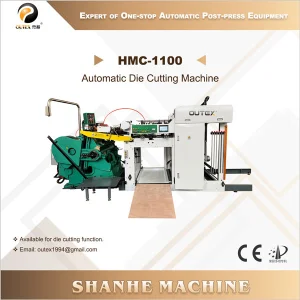
| B-Flute | 2.1 - 3.0 mm | 140 - 165 | Canned goods, die-cut packaging, master cartons | HMC-1500 Platen Die-Cutter & Laminator |
| C-Flute | 3.5 - 4.0 mm | 120 - 140 | Standard shipping boxes (RSC), e-commerce cartons | Automatic High Speed Flute Laminator Line |
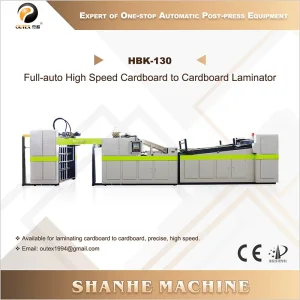
| E-Flute | 1.1 - 1.6 mm | 280 - 310 | Retail packaging, cosmetic boxes, printed displays | HBK-130 Cardboard Lamination System |
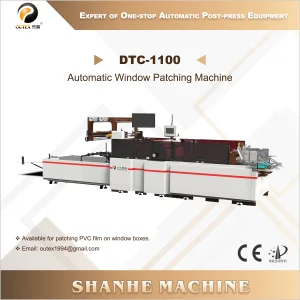
| F/N-Flute (Micro) | 0.5 - 0.8 mm | 400 - 450 | Ultra-fine luxury packaging, fast-food cartons | DTC-1100 Dual-Channel Window Patching |
| BC-Double Wall | 6.0 - 7.0 mm | Combination | Export heavy machinery containment, bulk freight | Heavy-duty Die Cutters & Auto Stacking Units |
Modern converting machinery must accommodate diverse paperboard grammages ranging from 90 gsm lightweight recycled fluting medium to 450 gsm virgin Kraft liners. High-precision laminating lines use sensor-controlled starch adhesive application systems to ensure zero-warp sheet production, maintaining structural rigidity for subsequent die-cutting and folding-gluing operations.
Stay ahead of technological shifts with equipment designed to meet the demands of sustainable, automated, and high-speed box plants.
Converters are adopting micro-flutes (E, F, N flutes) and ultra-low grammage papers to reduce transport costs and carbon footprints without sacrificing stacking strength under BCT load limits.
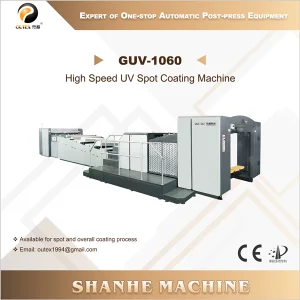
Integrated lines combining inline varnish coating, automatic die-cutting, stripping, and high-speed folding-gluing significantly minimize manual labor and mitigate operational bottlenecks.
The explosive rise of direct-to-consumer delivery necessitates rapid-assembly box geometry, such as crash-lock bottom boxes, multi-corner auto-folding designs, and tamper-evident closures.
Brands require offset-quality print visuals combined with corrugated strength. High-speed flute laminators bridge the gap between offset printed top sheets and raw fluted substrates.
Replacing traditional polyethylene (PE) laminates with eco-friendly water-based UV coatings and varnishes enables complete repulpability while maintaining moisture resistance.
Equipping die-cutters, gluers, and laminators with remote diagnosis, operational telemetry, and predictive maintenance sensors guarantees maximum machine uptime and minimal scrap rates.
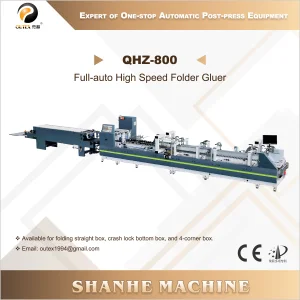
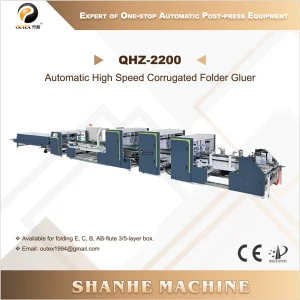
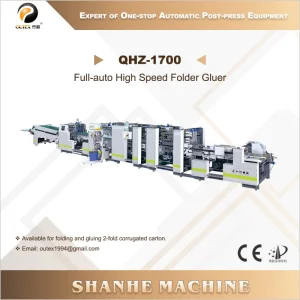
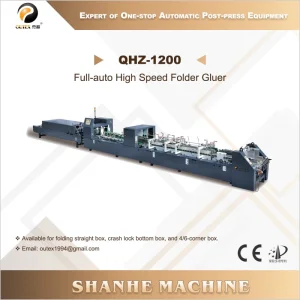
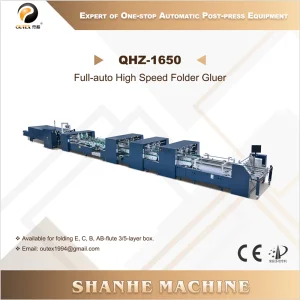
High-volume fulfillment networks require uniform box strength and rapid carton assembly. Automated corrugated folder-gluers (such as the QHZ Series) produce 2/4-fold and crash-lock bottom boxes at high speeds, guaranteeing seamless flat-pack delivery to automated box-erecting centers.
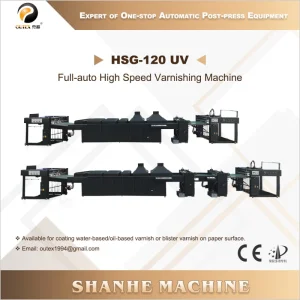
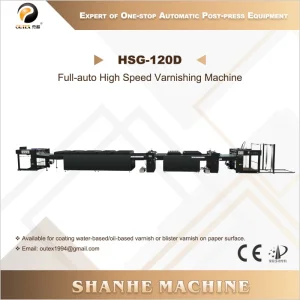
Perishable food transport demands high humidity resistance and hygienic board conditions. Inline varnishing and calendering systems (e.g., the HSG-120UV Series) coat corrugated sheets with barrier varnishes that block grease and moisture while preparing boards for high-speed die-cutting.
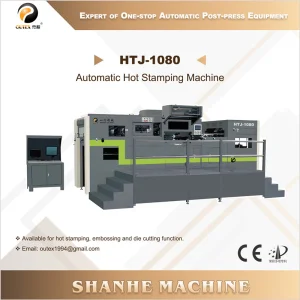
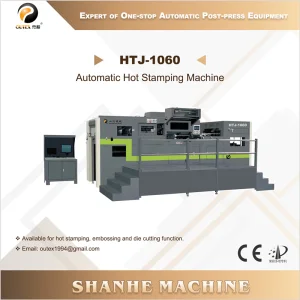
High-end electronics packaging utilizes E-flute or micro-flute litho-laminated boxes requiring complex window cut-outs, deep metallic foil embossing, and spot UV accents. Utilizing HTJ Automatic Hot Stamping Machines alongside DTC Window Patching Systems ensures precise film alignment and foil registration.
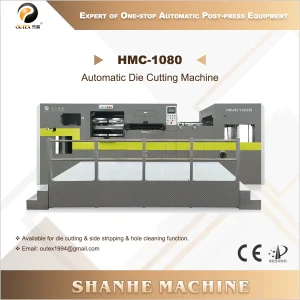
Automotive components and heavy equipment require multi-wall corrugated board (AA, BC, or EB flute combinations). Converting heavy board demands high-tonnage platen pressure die-cutters, such as the HMC-1500 Series, capable of clean creasing, cutting, and full stripping without board crushed edges.
Corrugated manufacturing standards and end-user demands vary significantly across major geographical zones:
The next decade of corrugated board manufacturing will be defined by intelligent automation, deep learning quality control, and advanced material science. Modern equipment manufacturers are actively integrating key technical innovations:
Inline optical camera systems monitor print-to-die registration, flap alignment, and glue line placement in real-time, automatically correcting sheet feeders at speeds exceeding 200 m/min.
Replacing traditional central drive shafts with independent direct-drive kinetic servo motors reduces operational power consumption by up to 30% while improving precision control.
Transitioning from traditional synthetic resin adhesives to bio-based, high-tack starch compounds engineered for micro-flute lamination without moisture-induced board curling.
Complete your production ecosystem with our specialized die-cutting, laminating, folder-gluing, and coating systems.
Comprehensive technical guidance drawing on 30 years of engineering and post-press manufacturing experience.